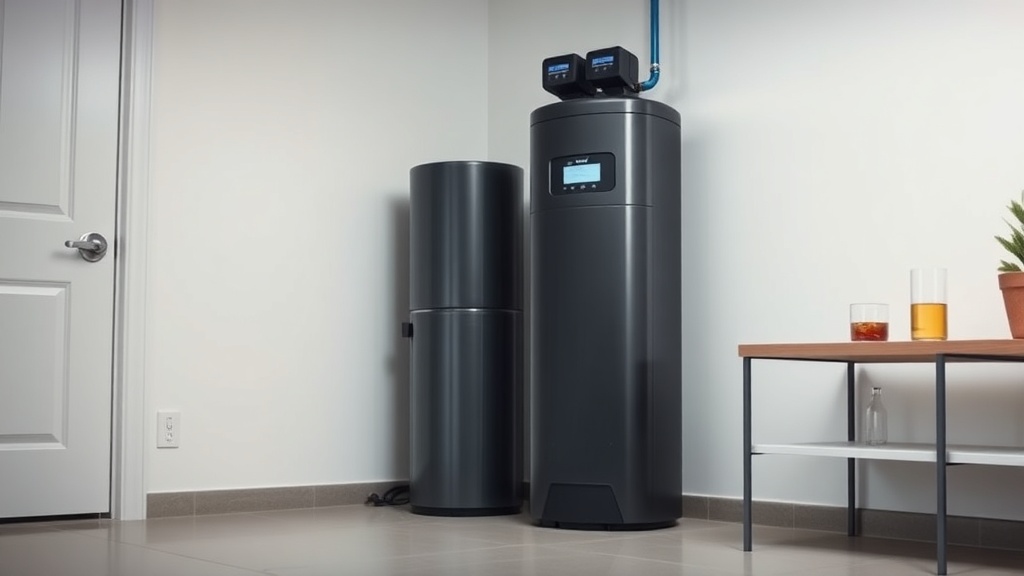
How Does the Fleck 5600SXT Compare to the Iron Pro 2 for Iron Removal?
For homeowners battling high iron levels in well water, choosing between the Fleck 5600SXT and the Iron Pro 2 can be a challenge. Both units are among the most popular water softeners in the GBP 600–GBP 1,200 range, but they approach iron removal very differently. The Fleck 5600SXT relies on a metered, on-demand regeneration system, while the Iron Pro 2 is engineered specifically for high-iron applications with a unique media formulation. This comparison will dissect their performance, cost-effectiveness, and maintenance requirements to determine which system truly handles high iron better.
What Are the Key Specifications for Iron Removal?
Understanding the technical specs of each unit is critical when dealing with iron, especially ferrous (clear water) iron concentrations above 2 ppm. The Fleck 5600SXT uses standard high-capacity ion-exchange resin, while the Iron Pro 2 incorporates a special resin blend designed to combat iron fouling. Below is a direct comparison of their core specifications for iron removal.
| Feature | Fleck 5600SXT (1.5 cu. ft. model) | Iron Pro 2 (1.5 cu. ft. model) |
|---|---|---|
| Maximum Iron Removal (ferrous) | 5–6 ppm (with clean resin + occasional resin cleaner) | 7–10 ppm (with proprietary resin and integrated cleaning cycle) |
| Media Type | Standard 10% cross-linked cation resin | Proprietary fine-mesh resin + pre-filter bed for iron |
| Regeneration Trigger | Metered (capacity-based) or time-clock | Metered (capacity-based) with iron-specific settings |
| Salt Dosage per Regeneration | 6–15 lbs adjustable | 6–20 lbs (higher for iron flushing) |
| Warranty | 5 years (valve), 10 years (tank) | 5 years (valve), 10 years (tank) |
| Filters Included | Inlet screen only | Sediment pre-filter (20 micron) + backwash filter |
| Digital Display | Backlit LCD | Backlit LCD |
| Price Range (GBP) | £700–£900 | £800–£1,100 |
Both units share the same Fleck 5600SXT valve body, which is a highly reliable mechanical-diaphragm design. However, the Iron Pro 2 includes a pre-filter and a dedicated “iron flush” regeneration cycle that runs longer to dislodge iron particles. For water with iron levels under 5 ppm, the standard Fleck 5600SXT performs adequately with routine maintenance, but the Iron Pro 2 holds a clear advantage for levels above 6 ppm.
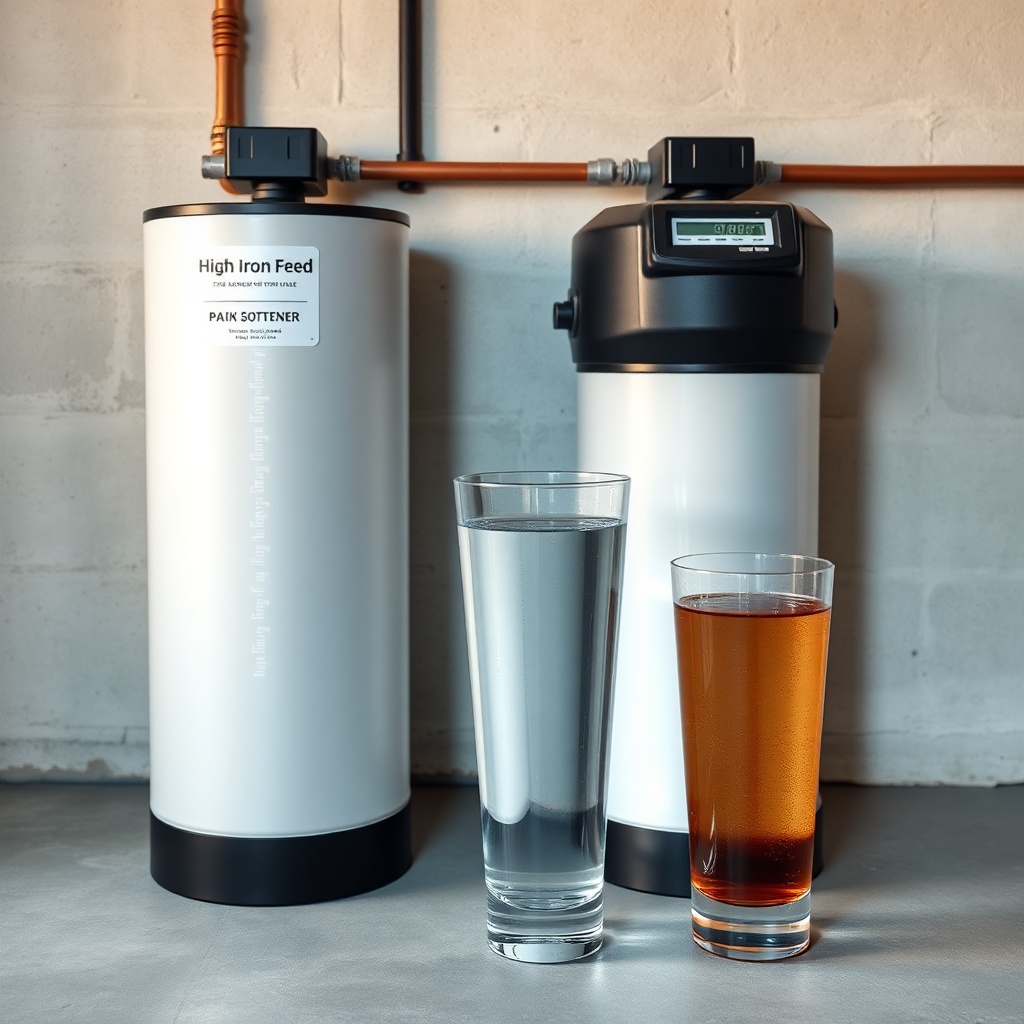
Which Unit Regenerates More Efficiently for High-Iron Water?
Regeneration efficiency is the deciding factor when iron is the primary contaminate. The Fleck 5600SXT uses a simple downflow regeneration that pushes brine through the resin beads from top to bottom. This works well for hardness minerals but can leave iron deposits trapped deep in the resin bed if not periodically flushed. The Iron Pro 2 uses an upflow backwash cycle followed by a longer brine draw, which physically lifts and removes iron sediment.
In practice, homeowners with 5 ppm iron report that the Fleck 5600SXT requires a resin cleaner treatment every 3–4 months to prevent clumping. The Iron Pro 2, with its integrated iron-removal cycle, can extend this interval to 6–8 months. However, the Iron Pro 2 uses 15–20% more water per regeneration because of the longer backwash phase. For households with moderate iron (3–5 ppm) and average water usage, the Fleck 5600SXT regeneration can be optimized using the Fleck 5600SXT Regeneration Cycle Optimization: Save Water and Salt guide, which can reduce water wastage by up to 30%.
Overall, the Iron Pro 2 wins on raw iron handling during regeneration, but the Fleck 5600SXT is more water-efficient for lower iron levels.
How Does Maintenance Compare for Iron Fouling?
Iron fouling—where iron coats resin beads, reducing their capacity—is the most common long-term issue for softeners handling well water. The Fleck 5600SXT requires more proactive maintenance. Owners must periodically use a resin cleaner like ResCare or Iron-Out in the brine tank to dissolve iron buildup. Without this, resin life can drop to 5–7 years instead of the usual 10–12 years.
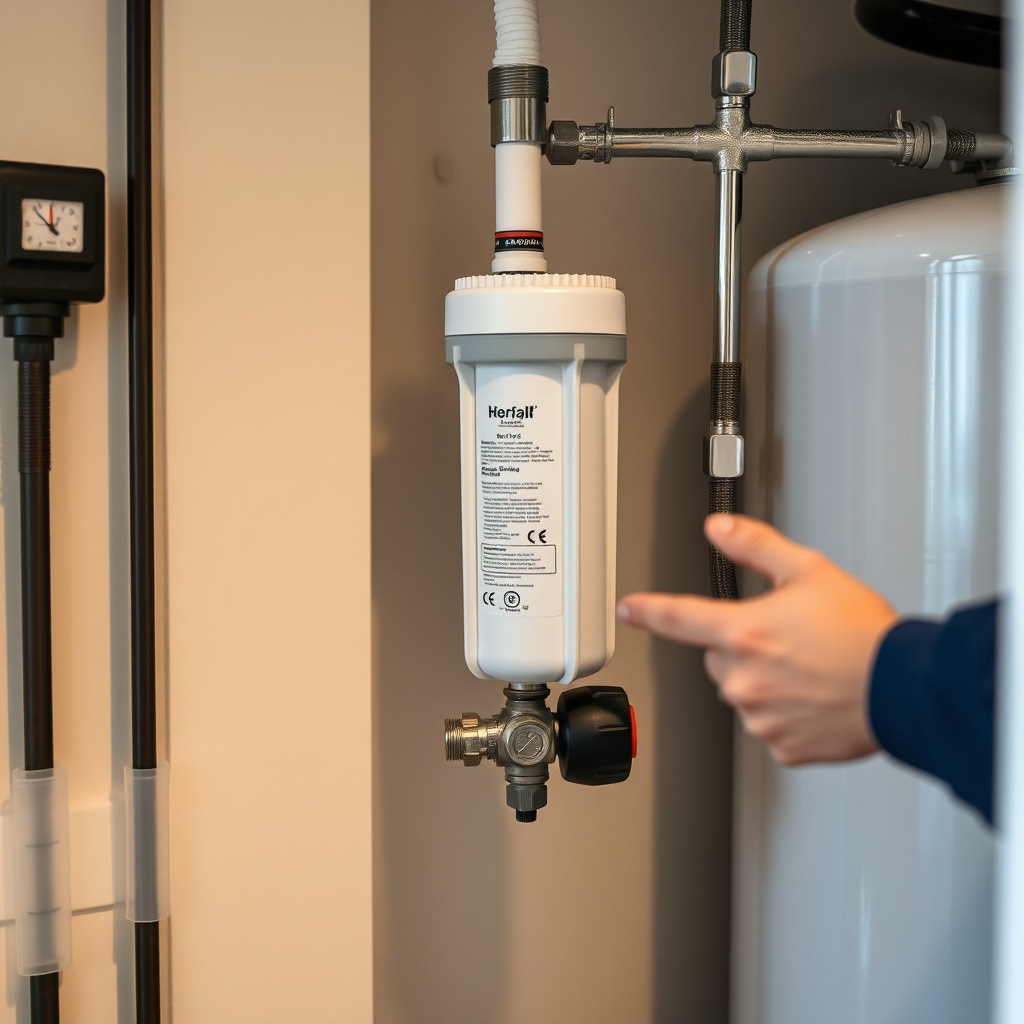
Another common maintenance task is cleaning the brine tank to prevent salt bridging, which can interrupt regeneration and allow iron to accumulate. A step-by-step process is covered in the Fleck 5600SXT Brine Tank Cleaning: Step-by-Step Guide. The Iron Pro 2, by contrast, has a dedicated “iron out” pre-filter that captures larger particles before they reach the resin, reducing fouling. However, this pre-filter must be replaced every 3–6 months at a cost of roughly £20–£30 per cartridge.
Both units can develop salt bridges in humid conditions, though the Fleck 5600SXT is slightly more prone due to its standard brine tank design. For troubleshooting salt bridges, refer to the Fleck 5600SXT Salt Bridge Formation: Causes and Fixes guide.
Which Softener Offers Better Value for Money in High-Iron Applications?
Value depends on your specific iron concentration and water usage. The Fleck 5600SXT is the better buy for households with iron levels between 2–5 ppm and moderate water hardness (20–40 gpg). At roughly £750 including shipping, it represents excellent value when paired with routine resin maintenance. For example, a family of four with 30 gpg hardness and 4 ppm iron will spend about £120 per year on salt and cleaner with the Fleck 5600SXT.
The Iron Pro 2, priced at around £950, justifies its higher cost for homes with iron above 5 ppm or water with a high manganese content. The built-in pre-filter and longer warranty on iron-related damage to the valve minimize repair costs. Over a 10-year period, the Iron Pro 2 may save you £200–£300 in resin replacement and cleaning chemicals, making it cheaper in the long run for severe iron conditions.
To determine if your water hardness is within the Fleck 5600SXT’s optimal range, consult the Fleck 5600SXT Hard Water Test: How It Performs in High-Grain Water article for real-world performance data.
What Are the Installation and Space Considerations?
Both units share the same valve body and tank footprint, so installation procedures are nearly identical. The Fleck 5600SXT requires a standard 2-inch drain line and a bypass valve for maintenance. The Iron Pro 2 adds an additional pre-filter housing, which increases the overall height by about 6 inches and may require extra wall clearance for pre-filter change-outs.
For winterizing a unit in an unheated garage, both models benefit from the guidance in the Fleck 5600SXT Winterization: How to Protect Your Softener from Freezing guide. The Iron Pro 2’s pre-filter is more vulnerable to freezing because it holds water even when bypassed, so additional insulation is recommended.
If you want to add smart monitoring, only the Fleck 5600SXT is compatible with the Wi-Fi upgrade kit from the manufacturer. The Iron Pro 2 does not offer a similar retrofit. For tech-savvy homeowners, the Fleck 5600SXT WiFi Upgrade: How to Add Smart Monitoring to Your Softener provides step-by-step instructions for remote salt level monitoring and regeneration alerts.
What Owners Say: Real-World Feedback
Online forums and customer reviews reveal clear patterns for both units. Fleck 5600SXT owners typically praise its durability and simplicity. One reviewer on a UK plumbing forum wrote: “I’ve had the Fleck 5600SXT for four years with 3 ppm iron. I use a resin cleaner twice a year, and it’s still removing iron perfectly. The valve never jams.” Another owner noted that after 18 months, they needed to clean the brine tank due to salt bridging, but found the process straightforward using online guides.
Iron Pro 2 owners highlight its effectiveness for severe iron. A well owner with 8 ppm iron stated: “The Iron Pro 2 handles my red water perfectly. The pre-filter catches enough iron that I only clean the resin every eight months.” However, some find the pre-filter replacement cost annoying, with one user commenting: “The cartridge costs £25 every three months. It adds up, but it’s better than replacing the resin.” Both groups agree that professional installation is recommended for units with pre-filters, as incorrectly seated cartridges can cause leaks.
Frequently Asked Questions
Can the Fleck 5600SXT handle iron above 6 ppm?
It can, but with significant caveats. You will need to use a resin cleaner monthly and may see reduced softener capacity. For consistent performance above 6 ppm, the Iron Pro 2 is the safer choice.
Does the Iron Pro 2 use more salt than the Fleck 5600SXT?
Yes, by approximately 10–15% per regeneration due to its longer brine draw cycle. However, the frequency of regeneration may be similar since it handles iron more efficiently.
Is a sediment pre-filter necessary for the Fleck 5600SXT?
Not included as standard, but highly recommended if your water has visible sediment or sand. A £30 pre-filter can extend resin life and reduce maintenance.
How often should I clean the resin in the Fleck 5600SXT for iron?
Every 3–4 months for iron levels above 3 ppm. Use a non-toxic resin cleaner and follow the brine tank cleaning guide for best results.
Can I add a Wi-Fi module to the Iron Pro 2?
No, the Iron Pro 2 is not compatible with any official Wi-Fi kit. Only the Fleck 5600SXT supports the upgrade for remote monitoring.
Which unit is easier to repair: Fleck 5600SXT or Iron Pro 2?
Both use the same Fleck valve, so valve repairs are identical. The Iron Pro 2 has an additional pre-filter housing that adds one more potential point of failure, but replacement parts are widely available.