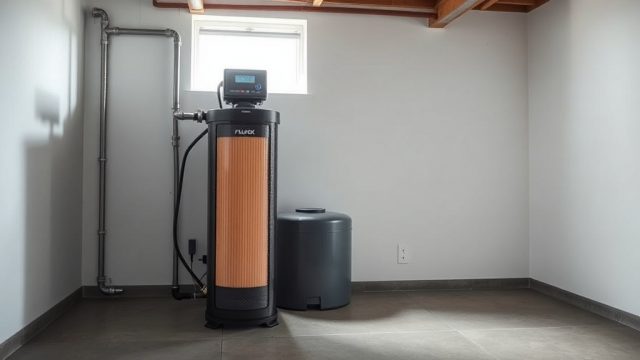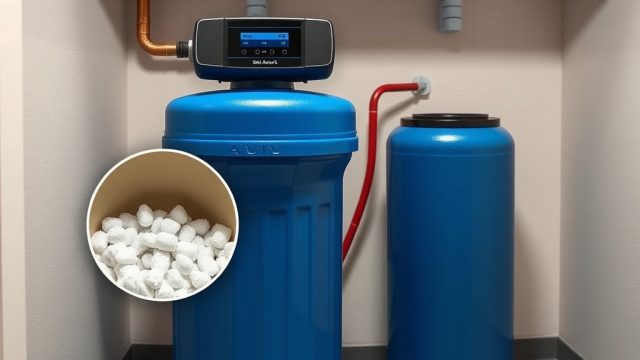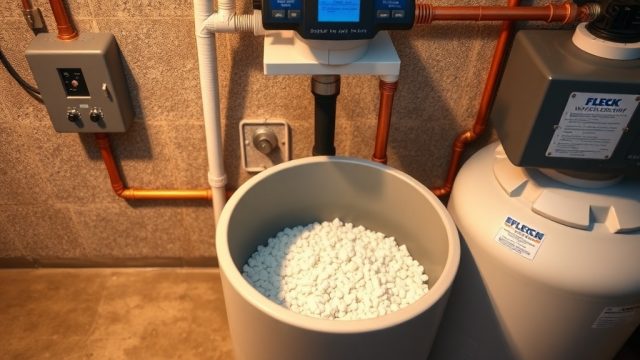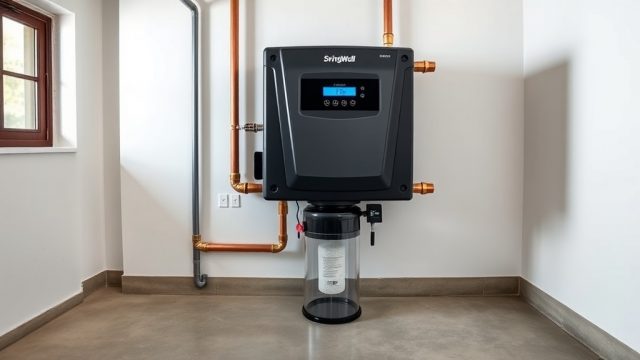
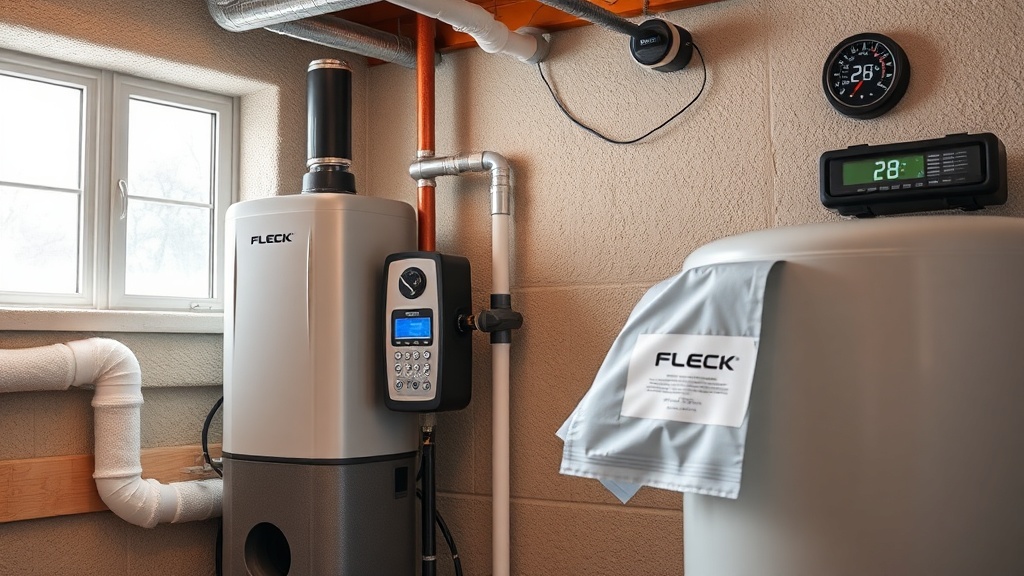
Why Does the Fleck 5600SXT Need Special Winterization?
When temperatures drop below freezing, the water inside your Fleck 5600SXT softener can expand and crack vital components, including the control valve body, brine line, and injector assembly. A single freeze event often leads to costly repairs—replacement of the entire valve system can run $250–$450 USD in parts alone. Winterization is not a luxury; it is a mandatory step for homeowners in regions where the mercury hits 32°F (0°C) or lower. By taking proactive measures, you protect the regeneration cycle optimization that keeps your softener efficient year-round.
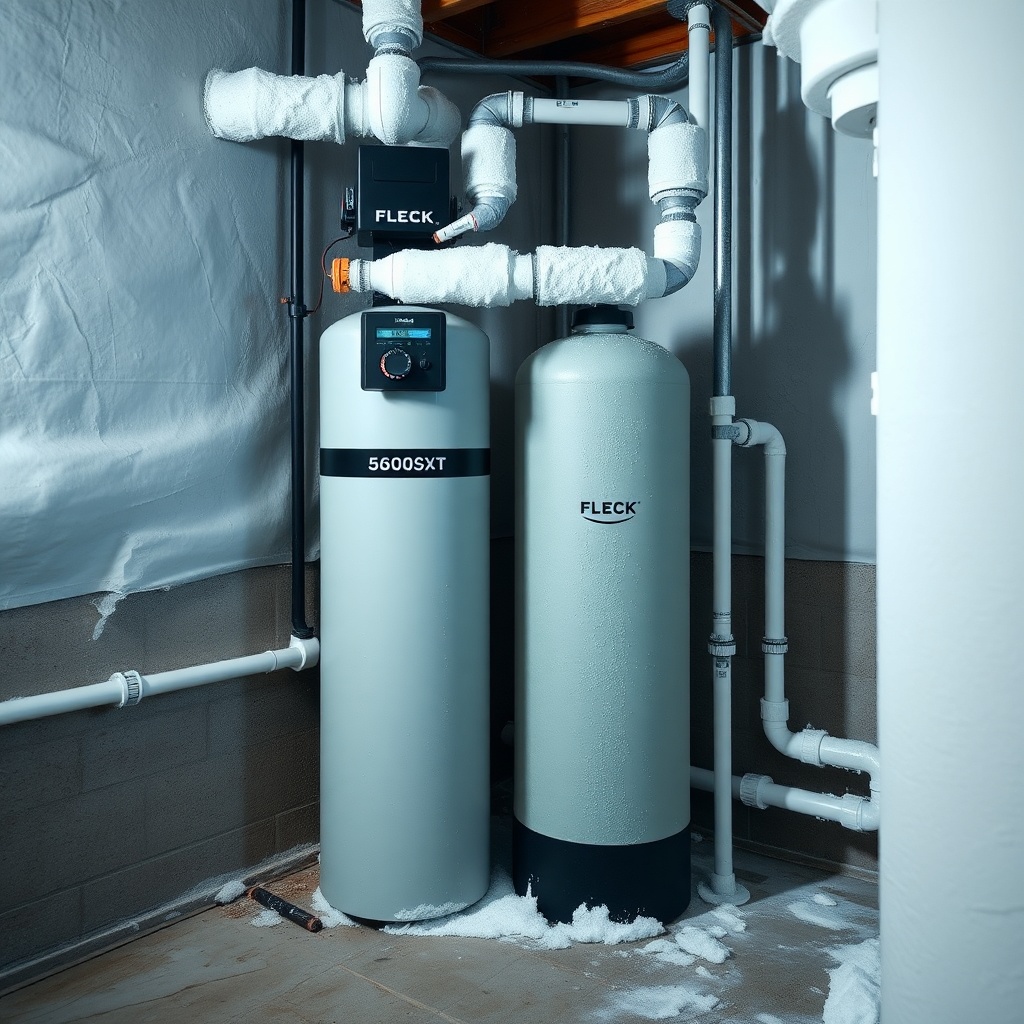
What Temperature Triggers Freeze Damage on the Fleck 5600SXT?
Freeze damage can occur when ambient temperatures fall below 32°F (0°C) for more than a few hours. However, the Fleck 5600SXT control valve contains small water passages that freeze faster than large pipes. Actual damage often starts at around 28°F (-2°C) if the unit is in an unheated garage, crawlspace, or exterior basement. The brine tank is especially vulnerable because the salt solution has a lower freezing point (around 20°F/-6°C) but still forms ice crystals that can block the brine pickup. If you suspect your softener has already suffered a freeze, check the Fleck 5600SXT error codes quick troubleshooting guide for code “Err 3” or “Err 5,” which often indicate flow or sensor issues from ice.
How Do I Drain the Fleck 5600SXT Before a Freeze?
Proper draining is the single most effective winterization step. Follow these steps:
- Step 1: Shut off the main water supply to the softener and bypass the unit using the bypass valve (usually located on the back of the control head). Turn the bypass handle clockwise until it stops.
- Step 2: Disconnect the brine line from the brine tank. Place the open end into a bucket or drain.
- Step 3: Initiate a manual regeneration cycle by pressing and holding the “REGEN” button for 3 seconds. Let the unit run through the first 5 minutes of the backwash cycle—this pushes water out of the resin tank.
- Step 4: Once water stops flowing from the brine line, disconnect the inlet and outlet hoses or pipes. Use a wet/dry vacuum to gently suck residual water from the control valve ports (do not force air into the valve—just remove visible moisture).
- Step 5: Empty the brine tank completely. Remove any remaining salt and brine water. Store salt in a dry, indoor location.
After draining, leave the bypass valve in the “bypass” position and cap open connections to prevent debris entry.
What Insulation and Heating Options Work Best?
Even after draining, cold air can damage rubber seals and plastic components. Use these proven insulation methods:
| Method | Cost (USD) | Effectiveness | Notes |
|---|---|---|---|
| Foam pipe insulation (1/2-inch wall thickness) | $5–$15 per 6-ft section | High for pipes | Wrap all exposed copper/PEX lines near the valve. |
| Fiberglass blanket wrap (R-value 6–8) | $20–$40 per roll | Moderate for brine tank | Use only on the brine tank—never cover the control valve excess heat builds up. |
| Heat tape (self-regulating, 120V) | $30–$60 per 12-ft roll | Very high for control valve | Wrap around the valve body and injector port, then insulate over it. Follow electrical code. |
| Quartz infrared heater (1500W) | $50–$100 per unit | Very high for space heating | Place 3–5 ft away from the softener. Use a thermostat plug to avoid overheating. |
Always ensure the control valve’s circuit board stays dry—never insulate directly over the electronic display. If you use heat tape, verify the manufacturer rating for polyethylene (PE) compatibility.
How Do I Protect the Brine Tank and Brine Line?
The brine tank is a common failure point during winter because leftover water and salt residue can freeze, cracking the tank. Follow these steps:
- Remove all salt and water: Scoop out salt blocks or pellets. Tilt the tank to drain any remaining brine. Wipe the interior dry with a clean rag.
- Disconnect the brine line: Unscrew the brass fitting at the brine tank and at the control valve. Coil the line loosely and store it indoors at 50°F+ (10°C+).
- Leave the brine tank empty and open: Prop the lid slightly ajar to allow airflow and prevent condensation. Do not store the tank outside—bring it into a garage if space allows.
- Winterize the salt platform: If your brine tank sits on a concrete floor in an unheated basement, place a foam mat or plywood sheet underneath to insulate from cold ground.
For long-term storage, consider purchasing a replacement brine tank cleaning guide to re-condition the tank in spring. A frozen brine line is easy to replace—standard lines cost $10–$15 USD—but a cracked brine tank runs $60–$120 USD for a new unit.
What Do Fleck 5600SXT Owners Say About Winter Care?
Experienced owners on forums like Terry Love and Water Quality Association groups emphasize that winterization is worth the 20-minute effort. One owner in Minnesota reports: “I forgot to drain my brine tank last January—cracked the bottom. Cost me $90 for a new tank and a Saturday of work. Now I do the full drain every November.” Another owner in Colorado notes: “I use heat tape on the valve and check the Fleck 5600SXT hard water test how it performs in high-grain water after winter to confirm the resin isn’t damaged. No issues in 4 years.” A third owner in upstate New York advises: “Never leave salt in the brine tank over winter if the room goes below 20°F. The salt bridge forms rock-hard ice-salt layers—see the Fleck 5600SXT salt bridge formation causes and fixes guide.”
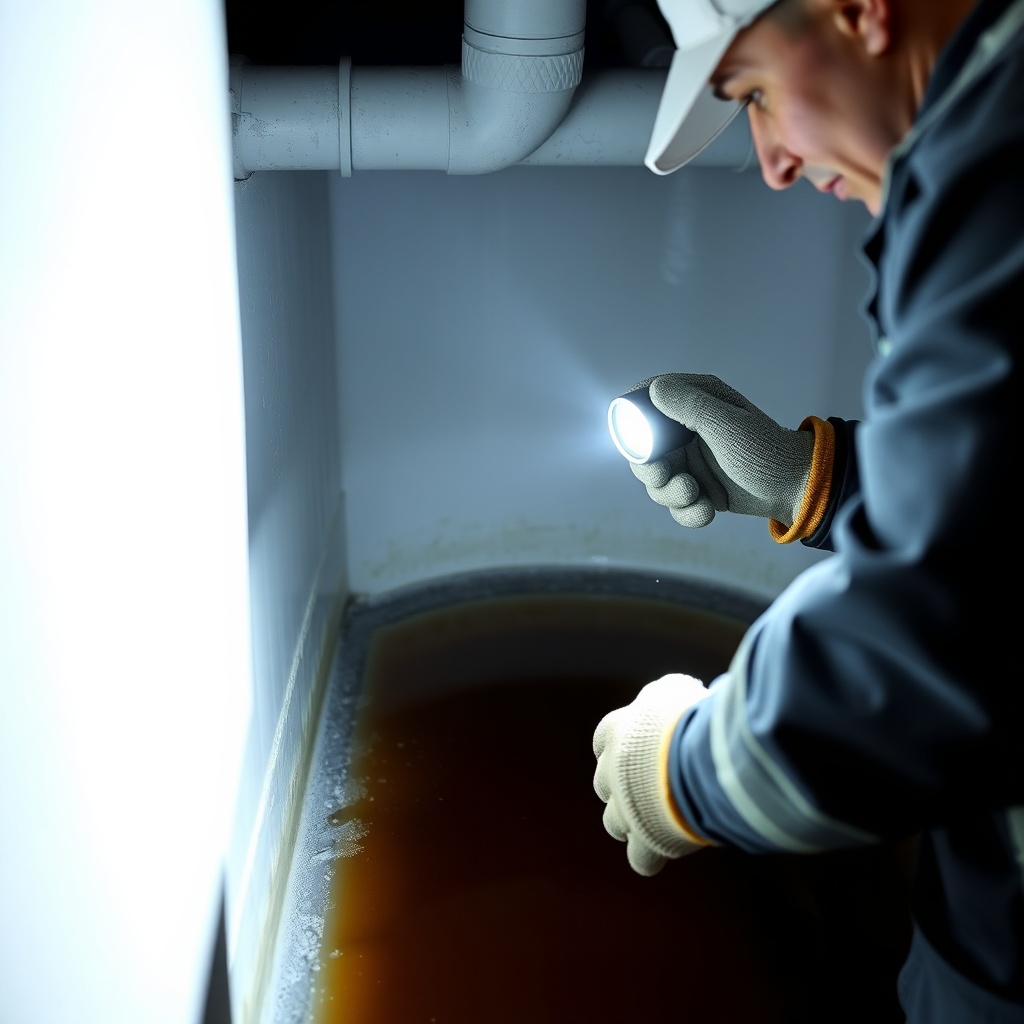
How Do I Restart the Fleck 5600SXT After Winter?
When temperatures rise above 32°F consistently (typically late March or early April), follow this restart sequence:
- Inspect for damage: Check the control valve body for hairline cracks—use a flashlight. Look at the brine line and fittings for splits. Replace any damaged parts before adding water.
- Reconnect the brine line: Attach the brine line to the control valve and brine tank. Tighten fittings hand-tight plus a quarter turn—do not over-torque the plastic threads.
- Fill the brine tank: Add fresh water to the brine tank (4–6 gallons for a standard 11x11x17-inch tank). Add salt—pellets or blocks—to the fill level recommended by the manufacturer (usually half-full).
- Prime the system: Open the bypass valve slowly. Press and hold “REGEN” to start a manual regeneration. Let the unit run through the entire cycle (about 90 minutes). Watch for leaks.
- Test water hardness: Use a hardness test kit to verify the softener is working. If the water tests soft (0–1 grains per gallon), the resin survived the winter. If not, you may need to replace the resin bed—a cost of $120–$200 USD.
Consider adding Fleck 5600SXT WiFi upgrade how to add smart monitoring in spring—this lets you remotely monitor temperature and regeneration status via app, preventing future freeze surprises.
Frequently Asked Questions
1. Can I leave my Fleck 5600SXT in an unheated garage?
Yes, but only if you fully drain the system and brine tank as described above. The control valve will survive down to -20°F (-29°C) if empty, but electronics may become brittle. Use a space heater set to 40°F (4°C) for extra safety.
2. Will antifreeze harm the Fleck 5600SXT?
Do not use automotive antifreeze or RV antifreeze (propylene glycol) inside the resin tank or brine tank. These chemicals can damage the resin bed and foul the control valve. Only use potable water-safe antifreeze if you must—but full draining is safer and cheaper.
3. How do I know if my Fleck 5600SXT froze?
Common signs include cracked brine tank, broken brine line, water leaks from the control valve, and error codes on the display (Err 3 for flow sensor, Err 5 for motor timeout). When in doubt, check the Fleck 5600SXT error codes quick troubleshooting guide.
4. Should I remove the resin tank for winter storage?
Only if you live in an area where temperatures fall below -10°F (-23°C) for weeks. The resin itself is freeze-resistant to about -40°F (-40°C) when dry, but the tank can crack. If you remove it, drain completely and store upright indoors.
5. How often should I winterize the Fleck 5600SXT?
Once per year before the first hard freeze (typically November in northern climates). If you have a second home or vacation property, winterize immediately after the last use in fall. Do not skip the step of disconnecting the brine line—a frozen brine line is the most common failure.
6. What is the cost of replacing a frozen Fleck 5600SXT valve?
A new control valve assembly costs $180–$350 USD depending on the vendor. Complete softener replacement runs $500–$1,200 USD. Compare this to $30–$60 USD for heat tape and insulation—winterization is a 90–95% cost savings.