Introduction
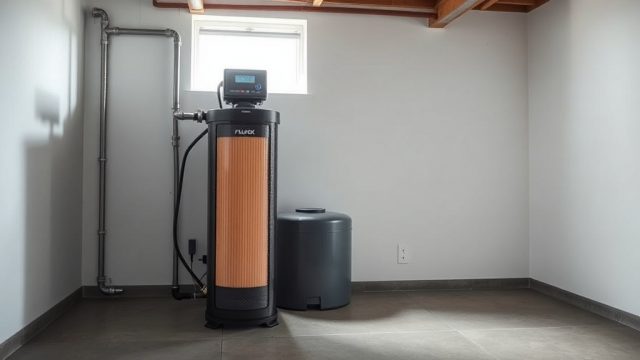
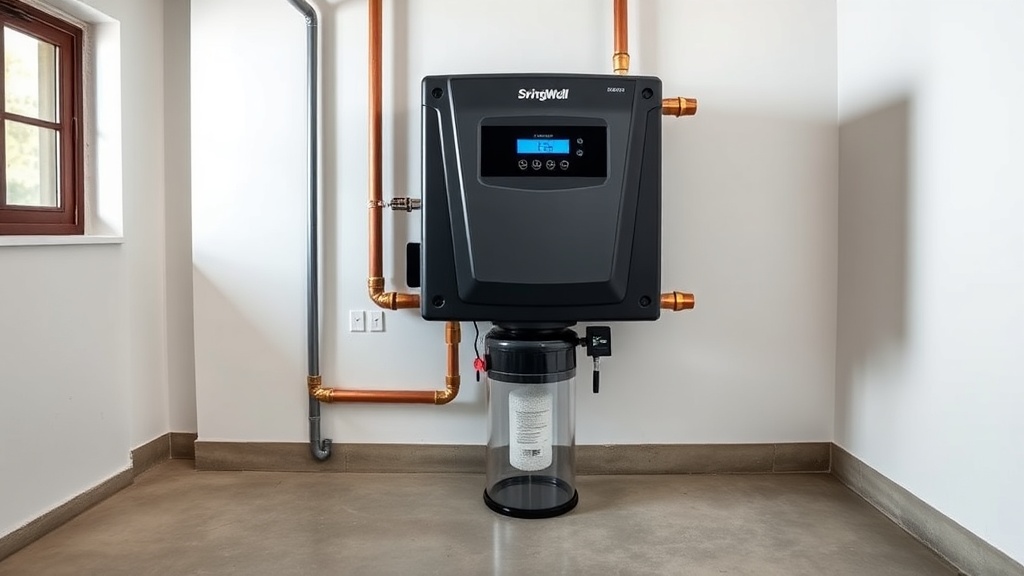
The SpringWell Futuresoft salt-free water conditioner stands as a reliable solution for preventing scale buildup without the hassle of salt bags or wastewater. However, like any piece of water treatment equipment, it requires regular attention to maintain peak performance and longevity. This maintenance checklist provides homeowners with a structured approach to cleaning and caring for their Futuresoft unit, ensuring it continues to deliver conditioned water for years to come.
How Often Should I Clean the SpringWell Futuresoft Pre-Filter?
The pre-filter is the first line of defense, capturing sediment and larger particles before they enter the conditioning tank. Failing to clean it regularly leads to reduced flow and potential damage to internal components. For most households, a cleaning schedule every 4 to 6 weeks is sufficient, though this frequency should increase if your incoming water contains high levels of sediment or if you notice a drop in water pressure at faucets.
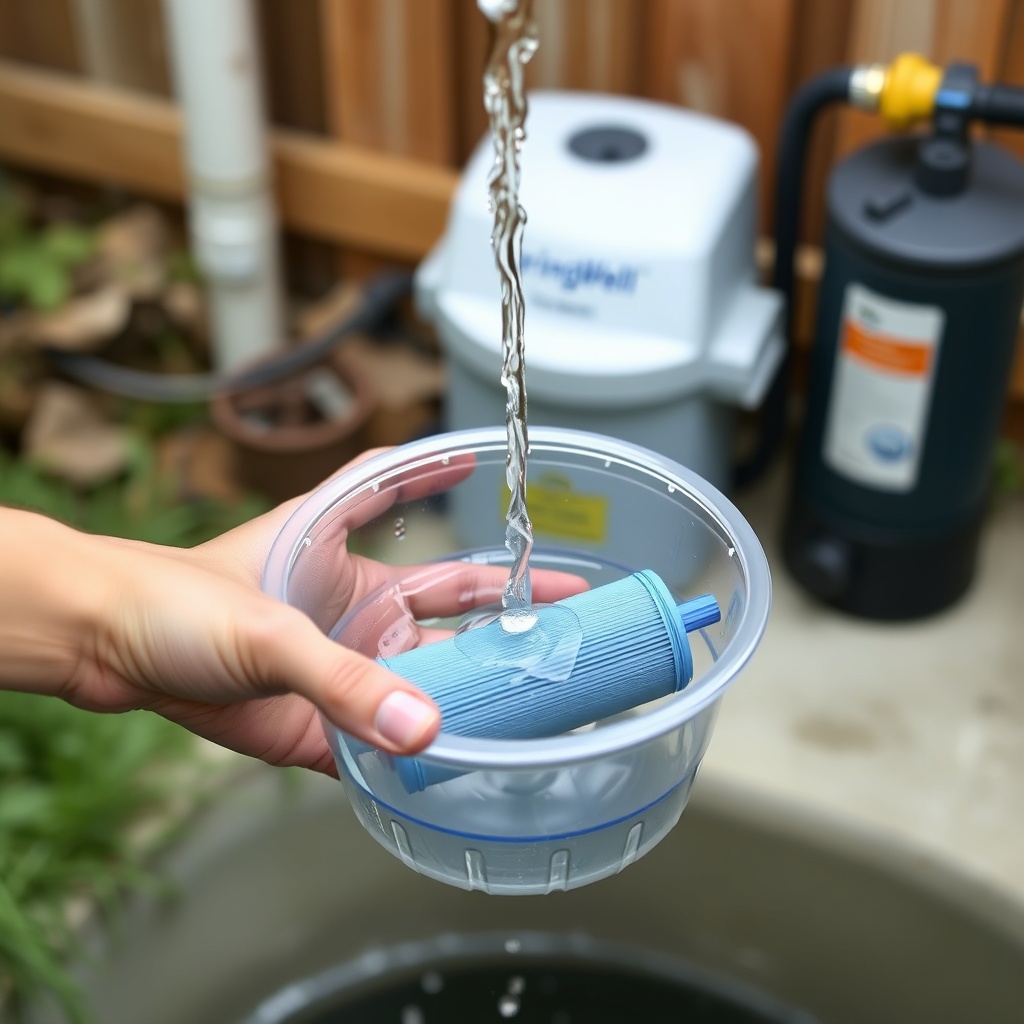
To clean the pre-filter, first shut off the water supply to the unit using the bypass valves. Unscrew the clear sump bowl and remove the filter cartridge. Rinse the cartridge thoroughly with a garden hose, using a soft brush to dislodge any stubborn debris. Inspect the O-ring for wear or cracks and lubricate it lightly with silicone grease before reassembling. Tighten the sump bowl by hand—do not use tools, as overtightening can crack the plastic. After restoring water flow, check for leaks around the seal.
What Is the Best Way to Clean the Conditioning Tank Media?
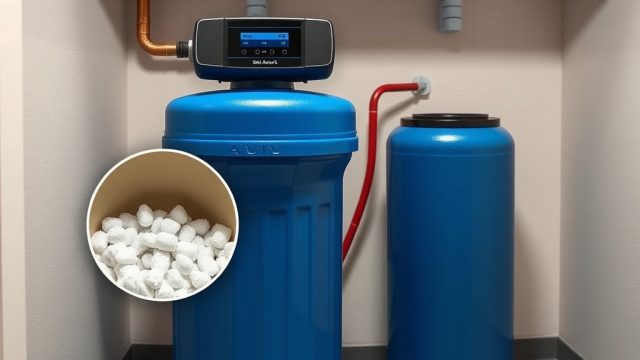
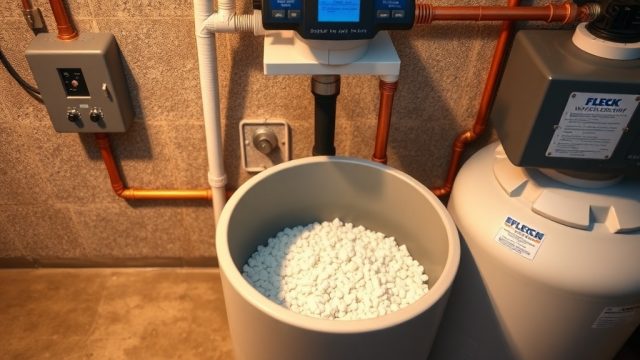
The Futuresoft uses template-assisted crystallization (TAC) media to condition water, and over time, this media can become fouled with organic matter, iron, or excessive sediment. While the unit is designed to be low-maintenance, a periodic media cleaning can restore its efficacy. The typical interval for a deep clean is every 12 to 18 months, depending on water quality.
Begin by placing the system in bypass mode. Disconnect the inlet and outlet lines, then carefully remove the top lid of the conditioning tank. Using a wet/dry vacuum, remove the TAC media beads and place them in a clean bucket. Prepare a solution of water and a mild citric acid cleaner (available at most water treatment suppliers) at a ratio of 1 cup of cleaner per 5 gallons of water. Soak the media in this solution for 2 to 3 hours, stirring occasionally. Rinse the media thoroughly with fresh water until no foam or residue remains. While the media is out, flush the empty tank with a garden hose to remove any sludge or biofilm. Refill the tank with the cleaned media, ensuring it is level, and reassemble the lid with a new O-ring if necessary. After restoring water flow, run the unit for 10 minutes to purge any air pockets.
How Do I Inspect and Maintain the Control Valve?
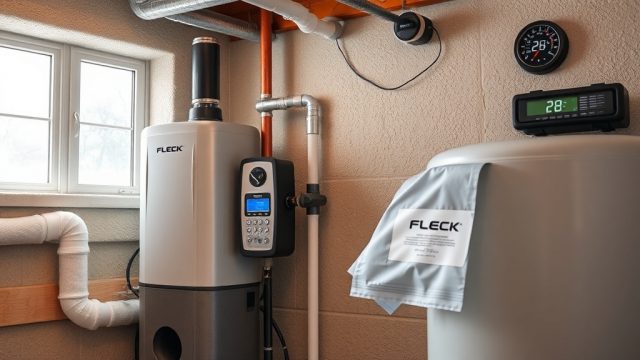
The control valve manages water flow and regeneration cycles, and its proper function is critical to system performance. A common issue is debris accumulation in the valve’s internal passages, which can cause sluggish or erratic operation. Inspect the control valve every 6 months by removing the front cover and checking for any visible dirt or mineral deposits. Use a soft brush and compressed air to clean the exterior and accessible interior components.
Pay special attention to the bypass valve assembly. Turn the bypass handle to each position (service, bypass, and diagnostic) to ensure smooth movement. If you feel resistance, disassemble the bypass valve and lubricate the O-rings with silicone grease. Also, check the electronic display for any error codes or low battery warnings. For a detailed guide on navigating the control interface, refer to the SpringWell Futuresoft Smart Controls Guide: Programming Your Conditioner.
| Component | Maintenance Task | Frequency | Severity if Neglected |
|---|---|---|---|
| Pre-filter cartridge | Rinse with water; replace if damaged | Every 4-6 weeks | Moderate: reduced flow, potential media fouling |
| Conditioning tank media | Soak in citric acid solution | Every 12-18 months | High: scale breakthrough, water spots on fixtures |
| Control valve assembly | Clean debris, lubricate O-rings | Every 6 months | Low: minor flow issues if caught early |
| Inlet/outlet connections | Check for leaks and tighten as needed | Every 3 months | Moderate: water damage to flooring or cabinetry |
Should I Perform a Flow Rate Test After Maintenance?
After any maintenance procedure, verifying the flow rate ensures the system is operating within its design specifications. A significant drop in flow rate can indicate a partially blocked pre-filter, compacted media, or a malfunctioning valve. To perform a flow test, close all water outlets in the home except for one outdoor spigot or a dedicated test faucet. Measure the time it takes to fill a 5-gallon bucket, then calculate the gallons per minute (GPM). The SpringWell Futuresoft typically delivers 12 to 15 GPM under standard conditions.
If your measured flow rate is below 8 GPM, consult the SpringWell Futuresoft Low Flow Troubleshooting: Causes and Fixes article for targeted solutions. A low flow rate after cleaning may indicate that the media has broken down or that the pre-filter requires replacement rather than just cleaning. Document your test results in a maintenance log to track performance trends over time.
How Do I Clean the External Housing and Display?
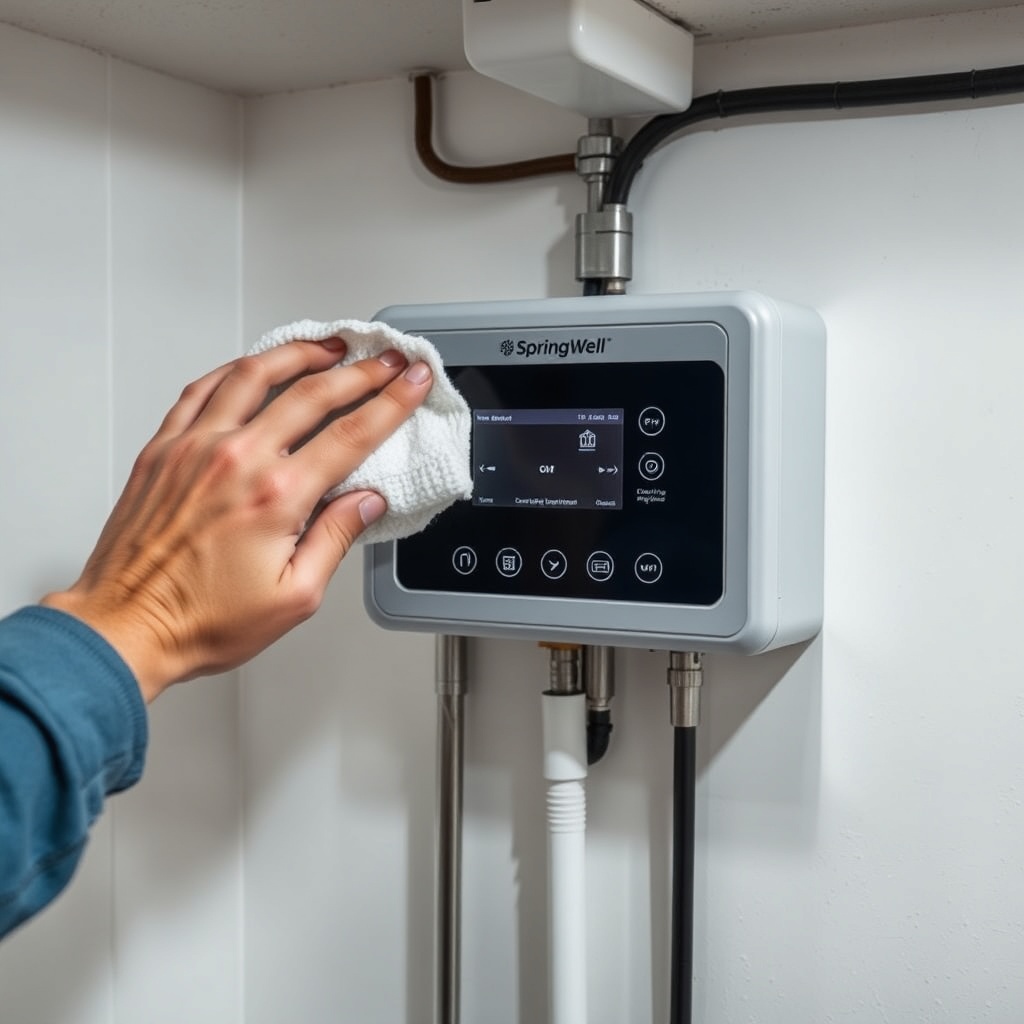
The external housing and digital display are exposed to dust, humidity, and occasional splashes. Keeping them clean prevents corrosion of electrical contacts and maintains the readability of the LCD screen. Use a microfiber cloth slightly dampened with water and a drop of mild dish soap to wipe down the housing. Avoid abrasive cleaners, bleach, or ammonia-based products, as these can cloud the plastic over time.
For the digital display, use a dry microfiber cloth to gently remove smudges or fingerprints. If the screen has a protective film, check that it is intact and free of bubbles. On units installed in damp basements, inspect the housing for signs of condensation inside the electronics compartment. If moisture is present, improve ventilation in the area and consider installing a dehumidifier. Always disconnect power to the unit before cleaning around electrical components. For further details on the system’s electronic features, see the SpringWell Futuresoft Smart Controls Guide: Programming Your Conditioner.
What Owners Say
Homeowners who maintain their SpringWell Futuresoft consistently report fewer operational issues and a longer lifespan for the unit. In online forums and product review sites, the consensus is clear: the system requires minimal intervention compared to salt-based softeners, but the maintenance that is needed cannot be skipped. One owner in a region with hard water and moderate iron content noted that performing the media cleaning every 18 months completely restored the system’s scale reduction performance, costing less than £30 for the citric acid cleaner and a couple of hours of labour. Another user in a high-sediment area emphasized the importance of checking the pre-filter monthly, as a clogged filter once caused a temporary drop in flow that was easily resolved with a simple rinse.
Several owners have compared the Futuresoft to traditional salt-based units, finding the maintenance less demanding overall. However, they caution that the TAC media does have a finite service life of roughly 3 to 5 years, after which replacement is needed. For a deeper comparison between these two approaches, read SpringWell Futuresoft vs Salt-Based Softeners: Which Is Better?. Those who have performed ongoing flow tests have appreciated the peace of mind that comes from seeing consistent performance, and many recommend keeping a simple notebook to track cleaning dates and any irregularities.
Frequently Asked Questions
1. Can I use bleach or vinegar to clean the TAC media?
No. Bleach may degrade the TAC beads, and vinegar can leave a residue that interferes with the crystallization process. Stick with mild citric acid cleaners specifically formulated for water treatment media.
2. How do I know when the pre-filter needs replacement instead of just cleaning?
Replace the pre-filter cartridge when it shows physical damage, such as cracks or tears in the mesh, or if repeated cleaning fails to restore flow. Most cartridges last 6 to 12 months depending on water quality.
3. Will the Futuresoft remove existing scale from my pipes?
The Futuresoft is designed to prevent new scale formation, not to remove existing scale. Over time, conditioned water can gradually loosen some deposits, but a full descaling may require professional pipe cleaning. For detailed performance data, see the SpringWell Futuresoft Performance Testing: Does It Really Remove Hardness? article.
4. What should I do if the control valve display shows an error code?
Consult the user manual for the specific error code. Common codes indicate low battery, flow sensor issues, or a service reminder. Reset the unit by unplugging it for 30 seconds, and if the error persists, contact SpringWell customer support.
5. Is it necessary to hire a professional for maintenance?
Most maintenance tasks, including pre-filter cleaning and media soaking, are straightforward and can be performed by a competent DIY homeowner. However, if you are uncomfortable with plumbing connections or suspect a mechanical issue, professional service is advisable.
6. How much does it cost to replace the TAC media?
Replacement TAC media for the SpringWell Futuresoft typically costs between £100 and £150 per batch, depending on the model. This is a notable expense, but it is required only every 3 to 5 years, making the ongoing maintenance cost relatively low compared to salt purchases for conventional softeners.