SpringWell Futuresoft Low Flow Troubleshooting: Causes and Fixes
When your SpringWell Futuresoft suddenly reduces water flow, it can disrupt your entire household routine. Low flow is one of the most common issues owners report, but in many cases, you can fix it yourself without a service call. This guide walks you through the likely causes—from clogged inlet screens to air in the system—and gives you step-by-step fixes that actually work.
Why Is My SpringWell Futuresoft Producing Low Water Pressure All of a Sudden?
The most frequent culprit is a clogged inlet screen or venturi filter. The Futuresoft uses a pre-filter screen before its media tank, and sediment from your supply can gradually block it. If you notice a sudden drop after a heavy rain or municipal water main break, sediment is your prime suspect.
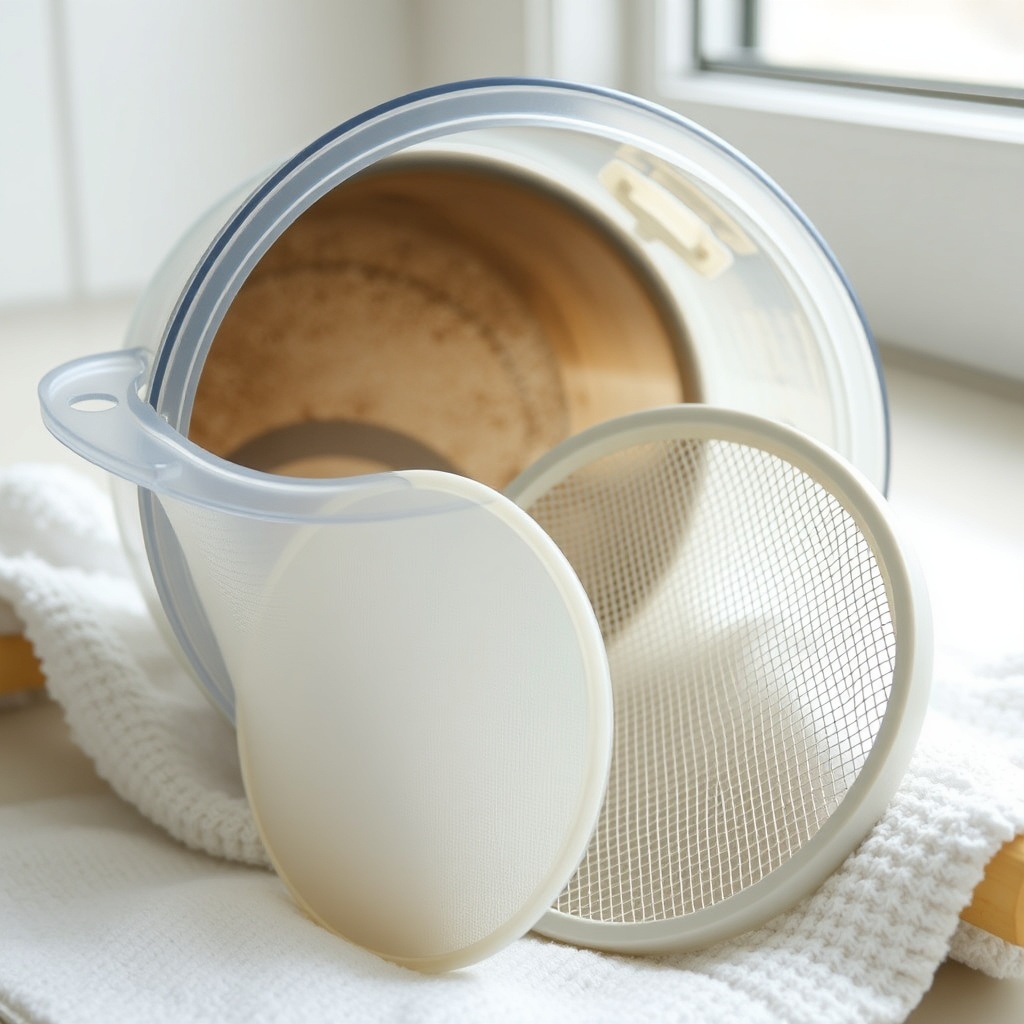
Start by checking the small clear housing near the control valve. You’ll find a fine mesh screen inside. Turn off the water supply, depressurize the system by opening a nearby tap, then unscrew the housing. Rinse the screen under running water—if it’s caked with rust or sand, a gentle scrub with an old toothbrush helps. Reinstall and test flow. You should see a 20–40% improvement immediately.
Another possibility: the venturi assembly (the white plastic part with small orifices) becomes partially blocked by iron or calcium buildup. Remove it according to the manual, soak it in white vinegar for 30 minutes, and rinse thoroughly. This alone restores flow in many cases.
Can Air in the System Cause Low Flow on the Futuresoft?
Yes—air trapped inside the media tank creates erratic flow and noisy operation. This typically happens after a power outage, during initial setup, or after a software update that cycles the valve. The Futuresoft’s smart controls can sometimes purge air automatically, but if it doesn’t, you’ll feel a surge then drip pattern at faucets.
To fix it manually, put the system into “Manual Regeneration” mode via the control panel. Navigate to the Service/Regen menu, select “Brine Draw” or “Fast Rinse,” and let it run for 10–15 minutes. This forces water through the tank at higher velocity, pushing air out through the drain line. After completing the cycle, check flow again. If air persists, inspect the drain line for kinks or blockages—a restricted drain prevents proper air elimination.
Some owners report air issues after software updates. If you recently updated the firmware, try a full power cycle (unplug for 60 seconds) then run two back-to-back regeneration cycles. The SpringWell Futuresoft Smart Controls Guide details the exact steps for forcing a manual regen.
How Do I Know if the Bypass Valve Is Partially Closed?
This sounds obvious, but it’s surprisingly easy to overlook. The Futuresoft’s bypass valve lets you isolate the conditioner for maintenance. If it’s not fully in “Service” position, it chokes flow. The valve handle has three positions: Service, Bypass, and Shut Off. When turned to Bypass, water skips the conditioner entirely—but if it’s halfway between positions, you get reduced flow through both paths.
Visual check: the handle should be parallel to the inlet/outlet pipes when in Service mode. If it’s at an angle, rotate it fully until you feel the positive stop. Test flow at the nearest faucet—pressure should normalize within seconds. If not, move on to checking the media bed.
One owner reported that a contractor accidentally rotated the valve while working on a water heater, causing weeks of frustration. Always double-check after any plumbing work near the unit.
Is a Clogged Media Bed Causing Flow Issues?
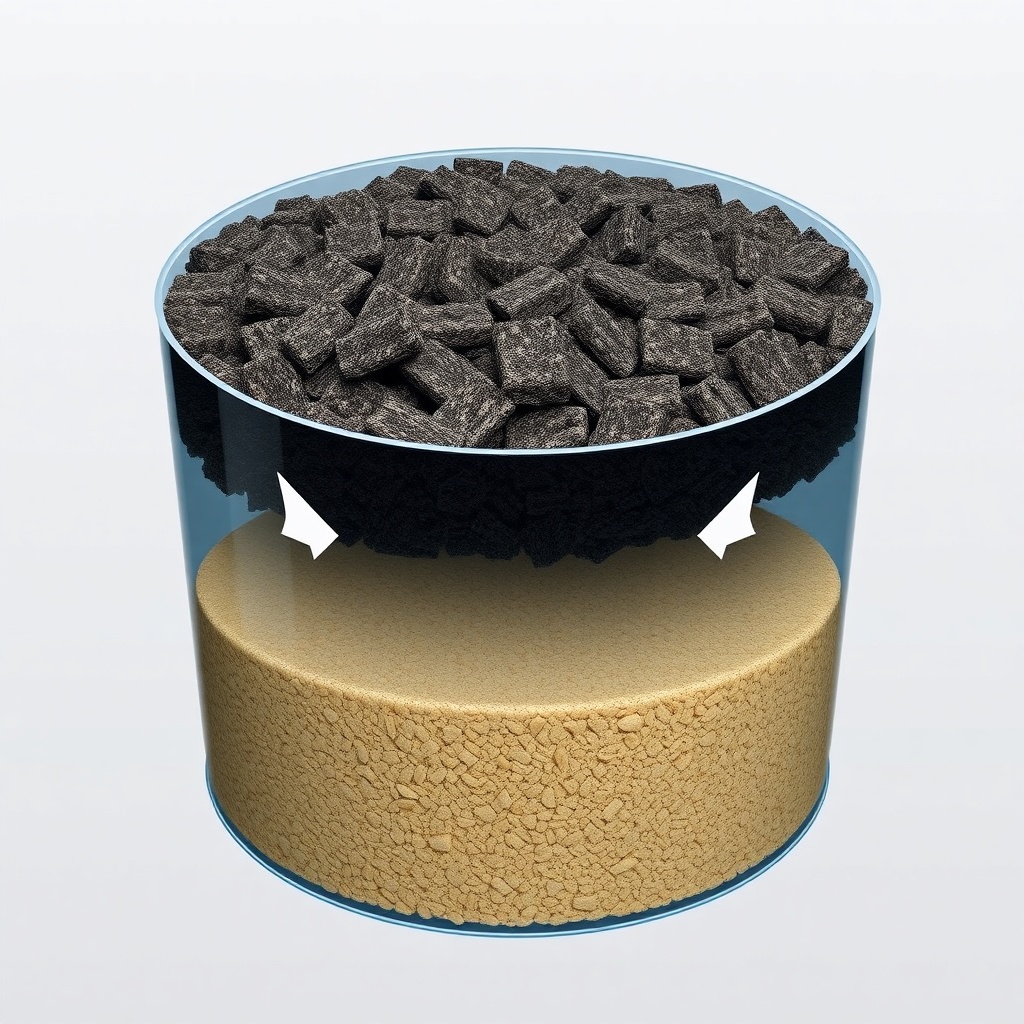
After 3–5 years of service, the catalytic media inside the Futuresoft can become fouled with iron, manganese, or organic buildup. Unlike salt-based softeners, the Futuresoft doesn’t “regenerate” in the same way—it relies on physical media that gradually loses its porosity. When the media bed gets compacted or coated, water can’t pass through efficiently, leading to low flow.
Signs: flow drops steadily over weeks (not suddenly), and water may have a metallic taste or slight discoloration. Check your water test results—if iron levels exceed 3 ppm or there’s hydrogen sulfide (“rotten egg” smell), media fouling accelerates dramatically.
Remedies range from chemical cleaning to media replacement. For light fouling, a citric acid flush (following manufacturer guidelines) can restore some flow. But if flow remains below 4 GPM at a standard faucet, it’s likely time to replace the 1 cubic foot of media. Replacement cost runs $100–$150 for the media itself, plus labor if you hire a plumber. The SpringWell Futuresoft Performance Testing article explains how to measure flow rates accurately.
Troubleshooting Flow Problems by Severity
| Severity Level | Typical Symptoms | Likely Cause | DIY Fix? |
|---|---|---|---|
| Usually Not Urgent | Flow drops 15–25%; faucets still usable | Clogged screen or venturi | Yes—clean screen and venturi |
| Needs Attention Soon | Flow drops 30–50%; one faucet unusable | Air in system or bypass valve misaligned | Yes—bleed air or adjust valve |
| Requires Professional Assessment | Flow drops >50%; all faucets slow | Clogged media bed or internal valve failure | Maybe—media flush or replacement |
| Immediate Service | No flow or intermittent pulsing; error code on display | Electronic control malfunction or drain blockage | No—contact SpringWell support |
Why Does My Futuresoft Lose Flow Only During Certain Times of Day?
Time-dependent low flow points to a well pump issue or heavy household demand, not your conditioner itself. If you’re on a well, the pump may struggle to maintain pressure during peak use. The Futuresoft’s flow rate depends entirely on incoming pressure—it doesn’t boost water pressure. When multiple appliances run (washer, shower, irrigation), the conditioner can’t create flow that isn’t there.
Test: measure flow at a hose bib before the Futuresoft, then after it, using a bucket and stopwatch. If pressure drops significantly only during mid-morning or evening, it’s likely your well pump or pressure tank. If flow stays low continuously, the conditioner is the bottleneck.
Also check your smart controls: in the Smart Controls Guide, you can set a “Flow Limit” that intentionally restricts water if demand exceeds a preset level (usually 10–12 GPM). If you’ve set this too low, the system will choke flow during high-demand periods. Navigate to Settings > Flow Limit and adjust upward to at least 12 GPM for normal households.
What Owners Say About Low Flow Fixes
Two common patterns emerge from owner forums and support logs. First: “I cleaned the screen and it fixed everything.” A homeowner in Arizona reported that after a dust storm, his kitchen faucet trickled. A 10-minute screen clean restored full flow, and he avoids the issue now by checking the screen during monthly filter changes. Second: “The bypass valve was half-closed from installation.” A Florida owner discovered his contractor left the valve in transit position—turning it fully open resolved six months of low pressure complaints.
Another owner noted that after a firmware update, his unit displayed no errors but gave limp-flow. A power cycle and manual regen cleared the issue within one cycle. Most owners agree: before calling support, check the simple things first. It saves time and money.
Frequently Asked Questions
Q1: How often should I clean the inlet screen on my Futuresoft?
A1: Every 3–6 months, or immediately after noticing a flow drop. If your water has visible sediment or sand, inspect monthly.
Q2: Can low flow damage the Futuresoft’s internal valve?
A2: Persistent low flow (under 3 GPM) can cause the valve to cycle incorrectly, leading to wear. It’s best to resolve the cause quickly.
Q3: Will a water pressure gauge help diagnose low flow?
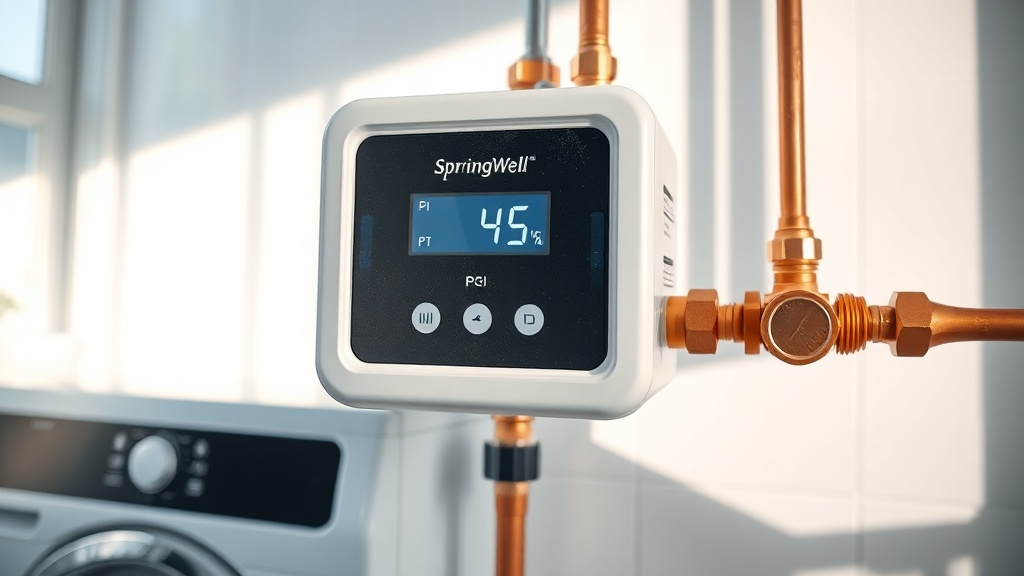
A3: Absolutely. A simple dial gauge ($10–$15) installed on the outlet line tells you pressure in PSI. Normal is 40–60 PSI; below 30 PSI requires investigation.
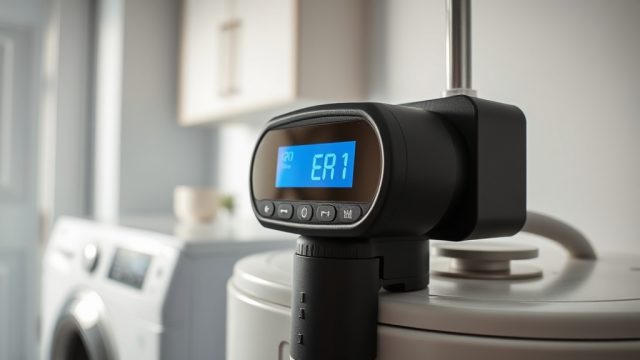
Q4: My Futuresoft shows “Low Flow” error on display—what does that mean?
A4: The controller detects flow below 0.5 GPM for more than 10 seconds. This usually means a closed bypass valve, a clogged screen, or a frozen pipe in winter.
Q5: Should I consider a salt-based softener instead if flow remains low?
A5: The SpringWell Futuresoft vs Salt-Based Softeners: Which Is Better? article compares flow rates—salt-based systems can offer higher peak flow but require ongoing salt purchases. The Futuresoft’s low flow is almost always fixable.
Q6: How do I contact SpringWell support for persistent flow issues?
A6: Call 1-877-869-5710 (toll-free) or use the chat on their website. Have your unit serial number and error code ready. Support will often walk you through a valve reset remotely.