Aquasure Harmony Series Salt Bridge: Causes and Solutions
A salt bridge in a water softener occurs when a hard crust forms above the brine tank water level, preventing salt from dissolving properly. For owners of the Aquasure Harmony Series, this issue can reduce softening efficiency and lead to hard water breakthrough. This guide covers the common causes of salt bridges, step-by-step solutions, and preventative measures to keep your system running smoothly.
What Is a Salt Bridge and Why Does It Happen in the Aquasure Harmony Series?
A salt bridge is a thick layer of hardened salt that forms above the water in the brine tank, creating a gap between the salt and the water. In the Aquasure Harmony Series, this typically occurs when salt granules fuse together due to humidity, temperature fluctuations, or using the wrong type of salt. The bridge prevents the brine solution from being drawn into the resin tank during regeneration, leaving hard water in your home.
Common causes include:
– High humidity in the installation area (e.g., a basement or garage)
– Using salt with impurities or high insoluble content
– Overfilling the brine tank above the recommended level
– Infrequent regeneration cycles causing salt to settle and cake
To avoid salt bridges, many owners follow an Aquasure Harmony Series Salt Level Optimization guide to maintain the correct salt height—typically 6 to 8 inches below the top of the tank.

How Do I Identify a Salt Bridge in My Aquasure Harmony Series?
Recognizing a salt bridge early can save time and prevent damage to your softener. Signs include:
– Hard water symptoms (scale on fixtures, soap not lathering)
– The brine tank appears full of salt but water level is low
– Tapping the side of the tank produces a hollow sound above the salt crust
– The control head shows a “Salt Low” error despite visible salt
– Regeneration cycles occur but no brine is drawn
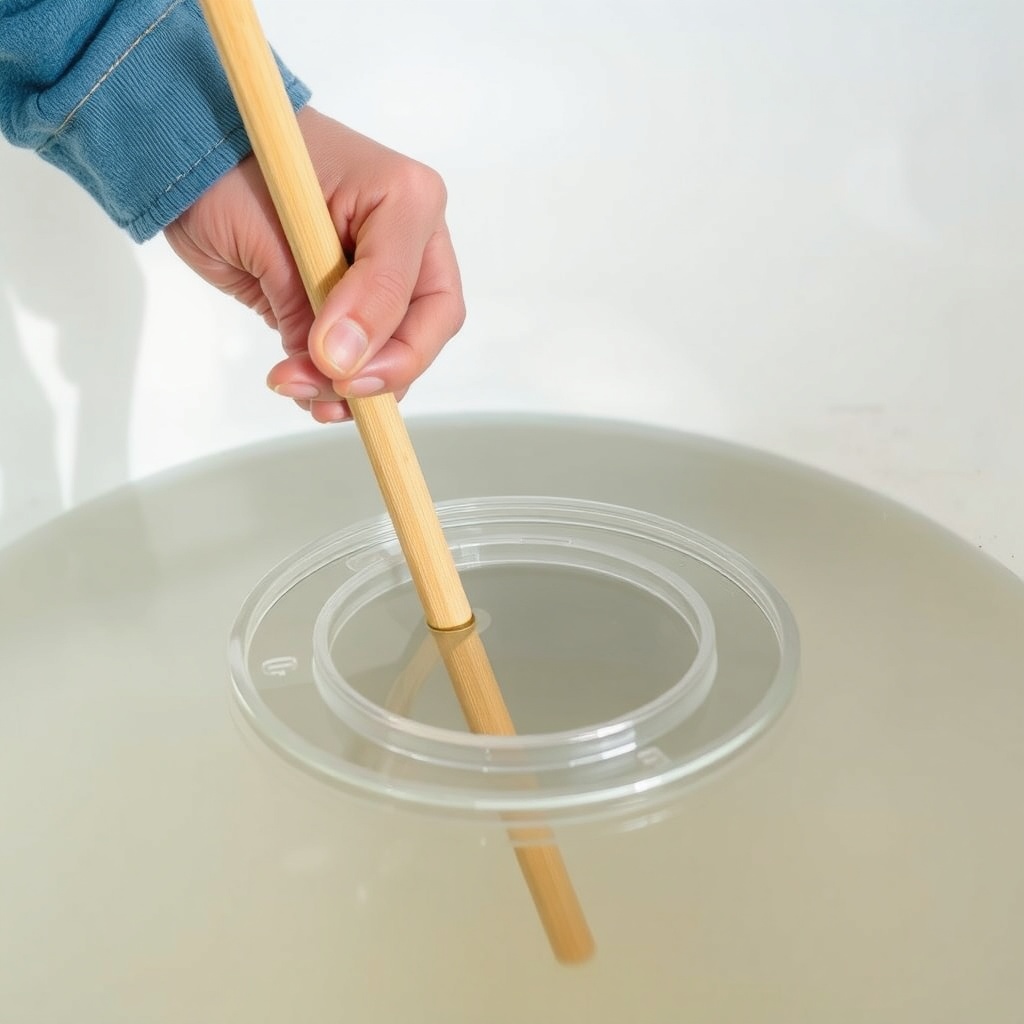
To confirm, gently insert a broom handle or long wooden dowel into the salt. If you hit a hard layer several inches below the top, you have a salt bridge. The Aquasure Harmony Series brine tank is designed with a wide mouth for easy access, making visual inspection straightforward.
How to Break a Salt Bridge in the Aquasure Harmony Series: Step-by-Step
Removing a salt bridge does not require disassembling the entire unit. Follow these steps:
- Turn off the water softener – Put the control valve in bypass mode or unplug the unit for safety.
- Remove the brine tank cover – The Harmony Series uses a twist-lock lid on the brine tank.
- Break the crust – Use a wooden or plastic tool (never metal, to avoid damaging the tank) to gently tap and break the bridge. Work from the edges inward.
- Remove loose pieces – Scoop out the broken salt chunks with a plastic cup or gloved hands. Do not pour water into the tank.
- Check the brine well – Ensure the float assembly and safety brine valve are clear of debris.
- Replenish salt – Add fresh, high-purity salt (solar or evaporated pellets) to the proper level—about halfway up the tank.
- Run a manual regeneration – Follow the control panel instructions to initiate a regeneration cycle to verify the system is working.
For more detailed brine system checks, refer to the How to Clean and Maintain Your Aquasure Harmony Series Conditioner article.
Salt Bridge Severity Levels and Solutions
The following table outlines different severity levels, typical causes, and recommended actions for Aquasure Harmony Series owners.
| Severity Level | Description | Common Cause | Recommended Action | Estimated Repair Time |
|---|---|---|---|---|
| Mild | Thin crust less than 2 inches thick, no water level issues | High humidity or infrequent use | Break manually and add salt stabilizer | 15–30 minutes |
| Moderate | Bridge 2–5 inches thick, salt bridging every few months | Using salt with impurities or overfilling | Break bridge, clean tank, switch to high-purity salt | 30–60 minutes |
| Severe | Bridge over 5 inches thick, brine tank water level abnormal | Salt type issues combined with high humidity | Empty tank completely, clean brine well, replace salt type | 1–2 hours |
If you experience severe bridges repeatedly, consider moving the softener to a dryer location or installing a dehumidifier near the unit. Many users also report success with the Aquasure Harmony Series Salt-Free Benefits alternative, though a salt-free conditioner works differently.
How to Prevent Salt Bridges from Forming Again
Prevention is the best long-term strategy. Implement these practices to keep your Aquasure Harmony Series bridge-free:
- Use high-purity salt – Look for evaporated pellet salt with 99.6%+ purity. Avoid rock salt with high insoluble content.
- Maintain correct salt level – Keep salt no more than half full in the tank. Overfilling increases bridging risk.
- Regenerate regularly – Even during low water usage, ensure the system regenerates at least every 14 days to keep salt moving.
- Control humidity – If the unit is in a damp basement, consider sealing the space or using a brine tank cover.
- Use salt additives – Some brands offer salt bridge preventer tablets that keep pellets from fusing.
- Check the brine valve – Inspect the safety brine valve annually for wear; a stuck valve can cause salt buildup.
For installation-related prevention, see the Aquasure Harmony Series Installation Tips: Avoid Common Mistakes article, which covers proper tank placement and brine line setup.
What Owners Say About Salt Bridges in the Aquasure Harmony Series
Feedback from Aquasure Harmony Series owners on forums and review sites indicates that salt bridges are one of the most common issues, but they are generally easy to resolve once identified. Many users note that the wide brine tank opening and clear lid make inspection simple.
One owner from Florida wrote: “Living in a humid climate, I dealt with a salt bridge every few months. Switching to solar salt pellets solved the problem completely. The Harmony Series is reliable otherwise.” Another user in the Midwest reported: “I had a bridge after the first winter. I used the broom handle trick and added a salt stabilizer. No issues in two years.“
Negative reviews often mention that the manual regeneration process is not intuitive for first-time users, but the digital display provides clear feedback. For help reading the screen, refer to the Aquasure Harmony Series Smart Features: Understanding the Digital Display article.
Frequently Asked Questions
1. How often should I check for a salt bridge in my Aquasure Harmony Series?
Inspect monthly during the first few months of use, then every 2–3 months if no issues arise. In humid areas, check more frequently.
2. Can I use rock salt in my Aquasure Harmony Series to save money?
Rock salt contains more insoluble impurities (up to 5%) that contribute to salt bridges and can damage your brine valve. It is not recommended for the Harmony Series.
3. Will a salt bridge damage my water softener permanently?
No, but it can cause strain on the brine system over time if left untreated. Prompt removal protects the valve and resin tank.
4. Why does my Aquasure Harmony Series display a “Salt Low” error when the tank is full?
This usually indicates a salt bridge preventing brine from being drawn. The sensor detects that no brine was consumed during regeneration, triggering the error.
5. How much does it cost to replace parts if a salt bridge damages my system?
Minor repairs like a brine valve replacement cost around £30 to £60. More extensive work, such as resin bead replacement, can range from £80 to £200 depending on the model. Full system repairs average £100–£250.
6. Can I use the Aquasure Harmony Series Energy Efficiency Test to check for salt bridge impact?
Yes. Measuring electricity consumption during regeneration can reveal inefficiencies caused by a salt bridge, as the system may run longer without achieving full capacity.