

Why Does a Fleck 5600SXT Develop Salt Bridges So Often?
Salt bridging—where a hard crust forms between the salt and the water in the brine tank—can cripple even the most reliable water softener. For the Fleck 5600SXT, a popular metered system, this issue is one of the most common maintenance headaches. Understanding why salt bridges form and how to break them is essential for keeping your unit regenerating efficiently and your water truly soft.
What Exactly Is a Salt Bridge and How Can You Spot One?
A salt bridge is a hardened layer of salt that forms between the top of the salt pile and the brine tank walls. It creates an empty space underneath, so the salt never actually dissolves into the water. You can spot a salt bridge by looking for a visible crust or by gently poking the surface with a broom handle—if it feels solid but you hear a hollow sound below, you likely have a bridge.
Other symptoms include a brine tank that looks full but the water level never drops, and soft water that suddenly becomes hard. If your Fleck 5600SXT error codes include low brine draw warnings, a salt bridge is a prime suspect.

What Causes Salt Bridges in the Fleck 5600SXT?
Salt bridges form when salt pellets fuse together due to changes in moisture and temperature. Here are the most common causes:
- High humidity: Moisture in the air causes the top layer of salt to dissolve slightly, then recrystallize into a solid crust.
- Compacted salt: Overfilling the brine tank with fine or powdered salt can lead to denser bridging.
- Temperature swings: Large changes in basement or garage temperatures accelerate moisture cycling.
- Incorrect salt type: Using low-quality or solar salt can increase bridging risk.
- Dirty brine tank: Old, mushy salt at the bottom can promote crust formation.
How Do You Fix a Salt Bridge on a Fleck 5600SXT?
Fixing a salt bridge is straightforward but requires care. Follow these steps:
- Safety first: Unplug the softener and disconnect the brine line if possible.
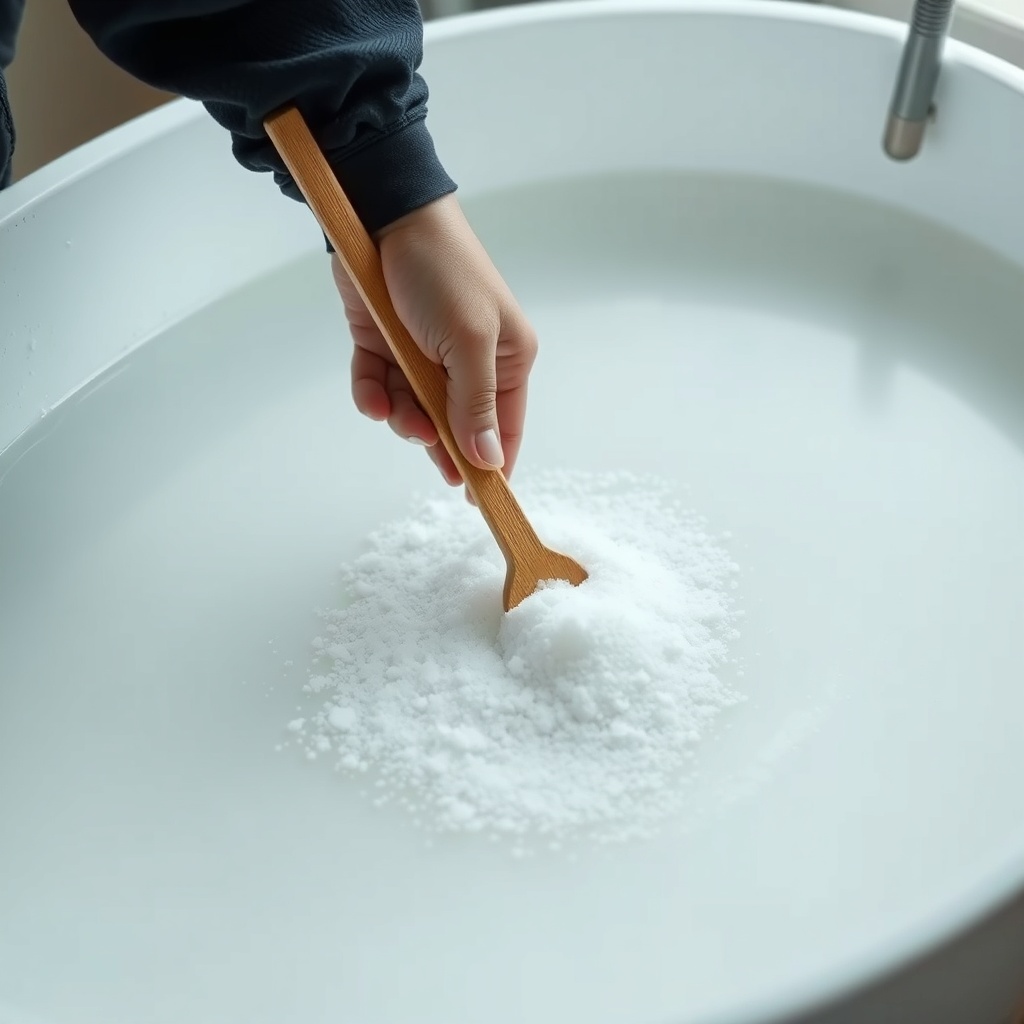
- Break the crust: Use a long, sturdy tool like a broom handle or a wooden dowel. Gently tap around the bridge to break it into small pieces.
- Clear the debris: Remove the broken salt chunks with a plastic scoop or gloved hands. Do not use metal tools that could damage the brine tank.
- Stir the remaining salt: Loosen any compacted salt underneath to ensure good brine flow.
- Reassemble: Reconnect the brine line and plug the unit back in. Then manually initiate a regeneration cycle using the Step-by-Step Installation Guide for the Fleck 5600SXT Water Softener to clear air from the lines.
If the bridge is very thick, you may need to empty the entire brine tank and start fresh. Always wear gloves and eye protection when handling salt.
What Is the Cost of Repairing a Salt Bridge Issue?
The good news? Fixing a salt bridge is nearly free if you do it yourself. The only costs involve a broom handle or wooden dowel (about £5–£10 / $6–$12) and possibly a bag of fresh salt if you need to replace mushy salt (around £7–£12 / $9–$15). If you hire a plumber, expect a service call fee of £60–£120 / $75–$150, plus any additional labour.
How Can You Prevent Salt Bridges from Forming?
Prevention is far easier than breaking a stubborn bridge. Implement these strategies:
| Prevention Method | How It Works | Estimated Cost |
|---|---|---|
| Use high-purity salt pellets | Less impurities reduce crusting | £8–£15 / $10–$18 per bag |
| Keep brine tank ½ to ⅔ full | Reduces exposure to air and humidity | Free |
| Clean brine tank annually | Removes old salt residue | £0–£5 / $0–$7 |
| Control humidity in the room | Use a dehumidifier or improve ventilation | £30–£150 / $40–$180 (one-time) |
| Add salt less frequently but in smaller amounts | Prevents overpacking | Free |
Also, consider using a brine tank grid or platform if your model supports it. This keeps the salt above any standing water, reducing the chance of bridges forming at the bottom.
What Do Owners Say About the Fleck 5600SXT Salt Bridge Problem?
Owners of the Fleck 5600SXT frequently mention that salt bridges are the most common issue they encounter, but they also appreciate how easy the system is to maintain. Many report that using a paddle-style agitator tool or a simple dowel resolves the problem in minutes. Some users have noted that switching from solar salt to evaporated salt pellets reduced bridging by over 70%. A few owners caution against overfilling the brine tank, a habit that increases bridging risk. Overall, the sentiment is that the 5600SXT is a robust unit, and Fleck 5600SXT Salt-Based Efficiency: How Much Salt Does It Really Use? is generally very good when properly maintained.
Frequently Asked Questions
How do I know if my Fleck 5600SXT has a salt bridge?
Tap the top of the salt gently with a broom handle. If it feels hard but sounds hollow, you have a bridge. Also, if your water turns hard but the brine tank looks full, a bridge is likely.
Can a salt bridge damage my Fleck 5600SXT?
Not directly, but it prevents regeneration, leading to hard water and potential scale buildup in pipes and appliances, which can cause damage over time. Always fix bridges promptly.
How often should I check for salt bridges?
Check once a month, especially during humid seasons or if the softener is in a damp basement. Frequent checks are better than waiting for problems.
What type of salt is best to avoid salt bridges?
High-purity evaporated salt pellets with low moisture content are ideal. Avoid solar salt or rock salt, which have more impurities that promote crusting.
Will a salt bridge affect my Fleck 5600SXT’s Fleck 5600SXT Hard Water Test: How It Performs in High-Grain Water results?
Yes. If a bridge prevents brine from forming, the unit cannot regenerate properly, resulting in poor performance measured in hardness tests. The system may appear to fail even though the problem is in the brine tank.
Can I use a brine tank cleaner to prevent salt bridges?
Occasional use of a mild brine tank cleaner (available at hardware stores) can help dissolve impurities that cause bridging. However, do not use it more than twice a year, as it can affect the resin bed if overused.