Why Would a Homeowner Want to Add WiFi Monitoring to a Fleck 5600SXT?
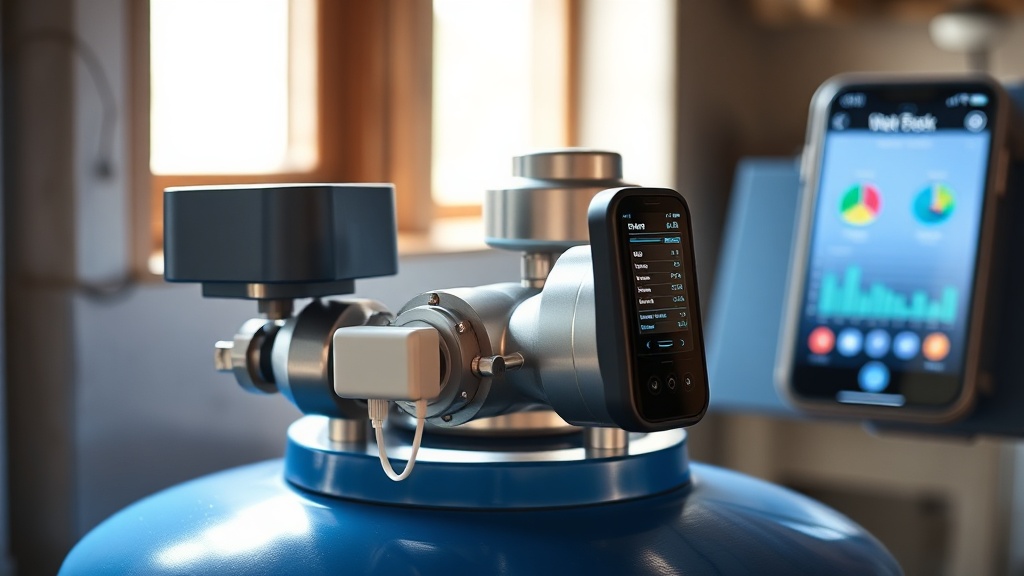
The Fleck 5600SXT is already one of the most reliable metered water softener valves on the market. Its onboard programmable controller handles regeneration scheduling, salt monitoring, and system diagnostics with precision. Yet for the modern homeowner, the one missing piece is remote visibility. Adding a WiFi upgrade transforms this workhorse into a smart system that sends salt level alerts, water usage reports, and regeneration notifications straight to a smartphone. This article covers the practical steps, hardware options, and real-world performance of turning a standard Fleck 5600SXT into a connected appliance.
What Hardware Is Required for the Fleck 5600SXT WiFi Upgrade?
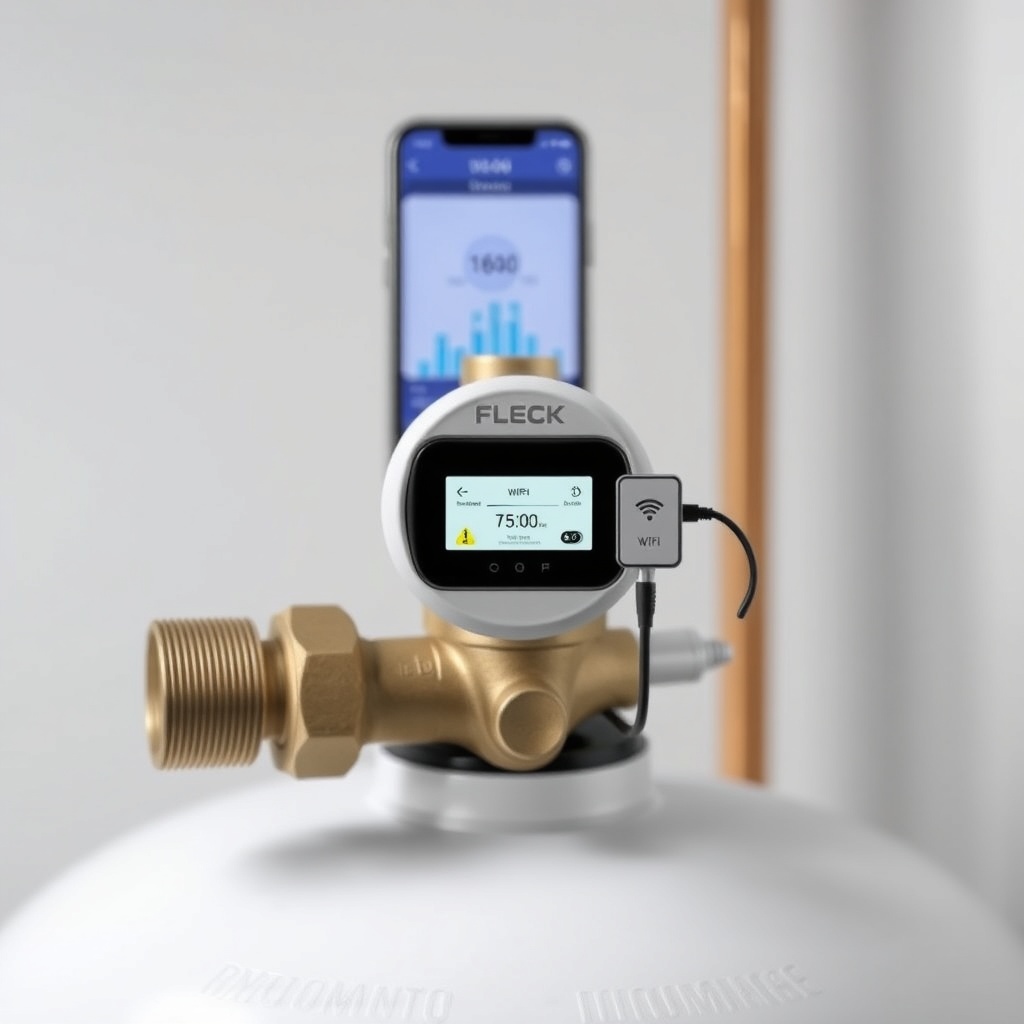
Several aftermarket solutions exist, but the most widely adopted approach uses a third-party WiFi adapter that interfaces directly with the Fleck 5600SXT’s circuit board. Typical kits include a wireless module, a ribbon cable connector, a 5V DC power supply, and a mounting bracket. The module reads the valve’s existing sensor data—flow rate, gallons used, days since last regeneration, and salt level—then transmits it to a cloud platform via 2.4 GHz WiFi. Some units also include an auxiliary float switch sensor for more accurate brine tank level monitoring. Retail prices for such kits range from $89 to $149 USD, depending on the brand and included sensors. Compatibility is critical: the adapter must match the Fleck 5600SXT’s PCB model number, which is typically stamped on the back of the controller board.
How Difficult Is the Installation Process for a WiFi Module?
Installation is rated as intermediate DIY. The process requires opening the control head enclosure, locating the nine-pin serial header on the main board, and attaching the ribbon cable from the WiFi module. Power for the module is usually drawn from the same transformer that powers the valve, though some kits require a dedicated USB power supply. The complete physical installation takes about 20 to 30 minutes, excluding software setup. After hardware attachment, users must download the companion app, create an account, and connect the module to a home network. The app typically walks through a step-by-step pairing process that includes scanning a QR code on the module. For those uncomfortable with opening the valve enclosure, the Step-by-Step Installation Guide for the Fleck 5600SXT Water Softener provides detailed safety precautions about disconnecting power before any wiring.
Which Smart Features Does a WiFi-Enabled Fleck 5600SXT Provide?
Once connected, the system offers several practical capabilities beyond simple remote monitoring:
- Real-time water usage tracking: Daily, weekly, and monthly consumption graphs displayed on the app.
- Salt level alerts: Notifications sent when brine tank salt drops below a user-set threshold (usually 20% remaining).
- Regeneration notifications: Alerts when the system initiates a regeneration cycle, including start time and estimated duration.
- Historical data logging: Ability to export usage data to track trends over months or years.
- Remote diagnostics: Error code display via app, such as “low flow sensor failure” or “motor stall,” without needing to read the onboard screen.
These features directly address common pain points. For instance, a sudden drop in daily water usage might indicate a leak, while a persistent high usage pattern can signal an undetected toilet flapper leak. The system can also help optimize salt consumption by comparing regeneration frequency against actual water hardness levels, which is covered in detail in the Fleck 5600SXT Hard Water Test: How It Performs in High-Grain Water article.
What Are the Limitations of Current WiFi Upgrade Solutions?
No system is perfect, and users should be aware of several constraints. First, most third-party modules are not certified by Fleck or its parent company, Pentair. This means warranty on the valve may be voided if the module causes damage, though incidents are rare. Second, the module relies on a stable 2.4 GHz WiFi connection; 5 GHz networks are not supported, and range extenders may be necessary for basements with weak signals. Third, cloud dependency means that if the manufacturer discontinues server support, the module becomes a paperweight. Finally, the app interfaces vary widely in polish—some offer robust graphing, while others provide only basic readouts. Users should research current reviews on platforms like Amazon or specialty water treatment forums before purchasing a specific module.
| Feature | Brand A (WiFi-SoftPro) | Brand B (AquaConnect) | Brand C (SmartValve) |
|---|---|---|---|
| Retail Price (USD) | $129 | $89 | $149 |
| Included Aux Float Sensor | Yes | No | Yes |
| App Platform | iOS/Android | iOS/Android | Web dashboard only |
| Historical Data Export | CSV, JSON | CSV only | None |
| Average User Rating | 4.3/5 (1,200 reviews) | 3.9/5 (800 reviews) | 4.1/5 (450 reviews) |
| Warranty (Module) | 2 years | 1 year | 2 years |
What Owners Say About Their WiFi Upgrade Experience
Online forums and product review sections reveal a generally positive but cautious sentiment. Many owners report that the single most appreciated feature is the salt level alert. “I used to open the brine tank every week to check salt,” writes a user from Texas. “Now the app tells me when it’s below 20%. I’ve never run out mid-cycle since installing the module.” Another recurring comment is the value of usage graphs for detecting leaks. A Florida homeowner describes how a gradual increase in daily gallons alerted them to a hidden sprinkler valve leak that was wasting 600 gallons per month. On the downside, some users complain about occasional WiFi disconnections that require power cycling the module. A few report the app interface being slow to load historical data, especially with three or more years of usage records. Overall, the consensus is that a WiFi upgrade adds genuine convenience, but buyers should temper expectations regarding reliability and long-term manufacturer support.
Does a WiFi Upgrade Affect the Fleck 5600SXT’s Regeneration Cycle Settings?
No, the WiFi module operates purely as a data transmitter. It reads from the existing sensors and relays information; it does not alter the valve’s programming. The regeneration scheduling, salt dose, and hardness settings remain controlled by the onboard controller. Users can still optimize these parameters manually via the front panel buttons. For those looking to reduce water and salt consumption, the Fleck 5600SXT Regeneration Cycle Optimization: Save Water and Salt guide provides effective tuning techniques that work with or without WiFi monitoring.
How Does Adding WiFi Interact With Troubleshooting Error Codes?
One practical benefit of a WiFi module is that it can display error codes on the app without requiring the user to stand at the unit and read the blinking LED sequence. For example, if the valve detects a motor stall (error code 2), the app will push a notification. However, the module itself cannot resolve the error—it merely acts as a display relay. Owners can then reference the Fleck 5600SXT Error Codes: Quick Troubleshooting Guide to diagnose and fix the underlying issue, whether it’s a stuck piston or a failed motor.
Frequently Asked Questions
Is the WiFi upgrade compatible with all Fleck 5600SXT versions?
Most modules are designed for the standard 5600SXT controller board with a nine-pin serial header. Models manufactured before 2010 may have a different PCB layout and require a custom adapter. Always check the board model number before purchasing.
Will the WiFi module work if my internet is down?
Yes. The module stores data locally for a limited period (typically 7 to 14 days, depending on the brand) and uploads it when the connection is restored. The valve itself continues normal operation independent of internet connectivity.
Can I use the WiFi module with a salt bridge issue?
No. The module reports the brine tank salt level via a float sensor, but it cannot detect a salt bridge—a crust of hardened salt that prevents brine formation. For diagnosis and resolution, refer to the Fleck 5600SXT Salt Bridge Formation: Causes and Fixes article.
Does the WiFi module interfere with the valve’s electrical safety?
Reputable modules are designed with opto-isolators to prevent electrical interference. However, improper installation (e.g., exposed wires) can create a shock hazard. Always disconnect the 120V AC power supply before opening the control head.
How often should I clean the brine tank after installing the WiFi module?
The WiFi module does not change cleaning frequency. Annual cleaning remains recommended to prevent sediment buildup and salt mushing. See the Fleck 5600SXT Brine Tank Cleaning: Step-by-Step Guide for proper procedures.
Can the WiFi module be removed later without leaving damage?
Yes. The ribbon cable connector is non-permanent. Removing the module leaves the valve’s circuit board intact and returns the system to its original non-connected state. No soldering or permanent modification is required.