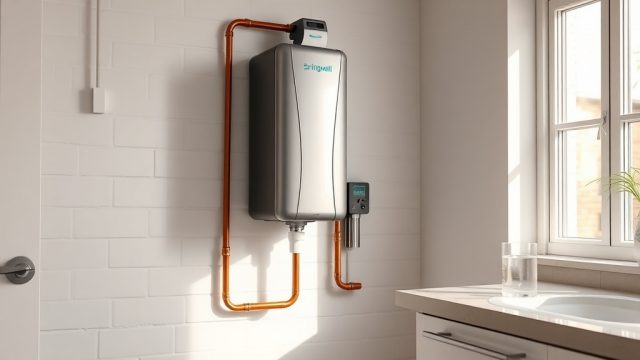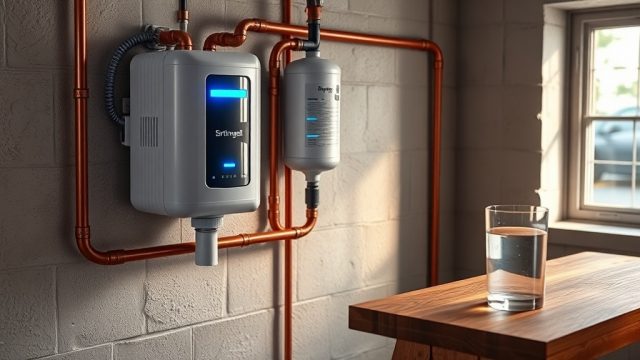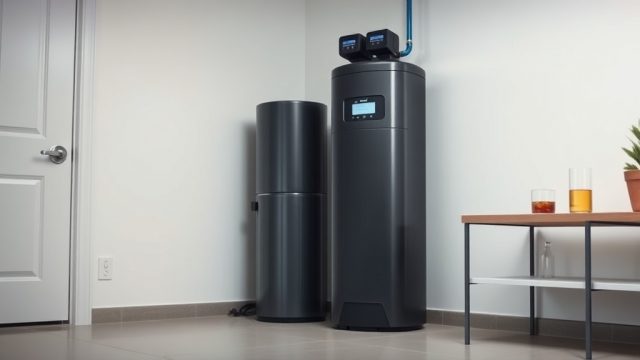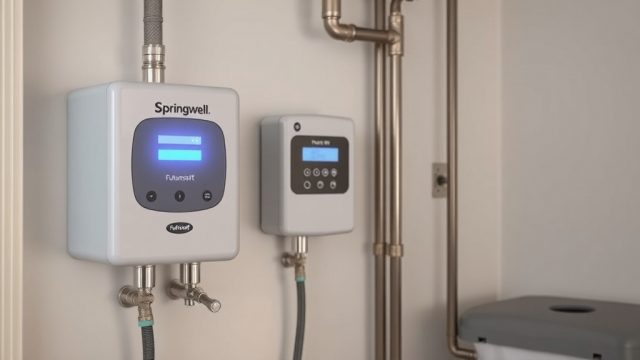
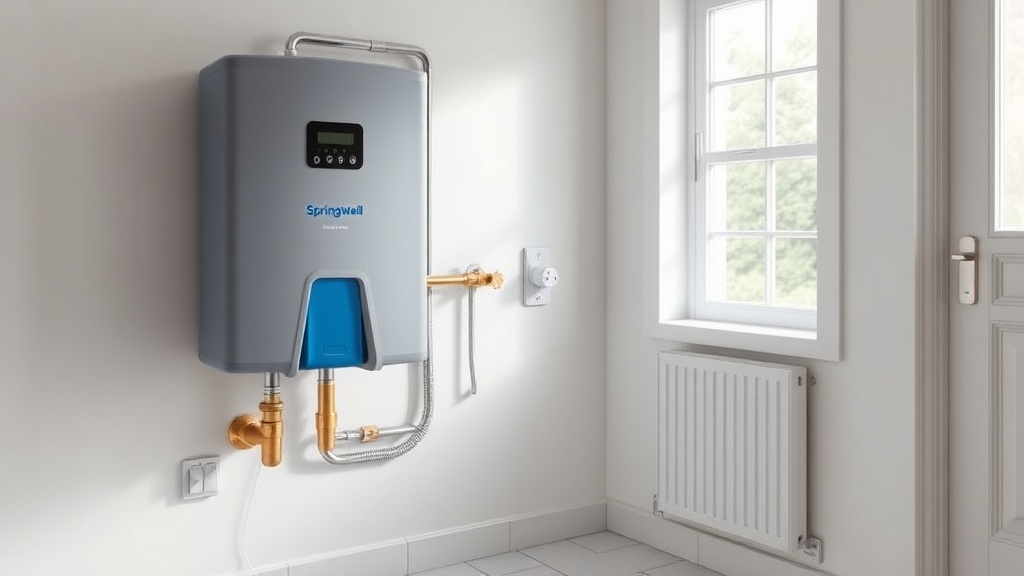
SpringWell Futuresoft vs HUM Conditioner: Which Salt-Free System Saves You More Over Five Years?
When comparing a SpringWell Futuresoft to a HUM conditioner, many homeowners focus on upfront price, but the real cost difference emerges over years of operation. This long-term cost analysis breaks down purchase price, filter replacements, water usage, and maintenance for both systems. By understanding total cost of ownership, you can choose the salt-free conditioner that fits your budget and household water needs.
What Is the Initial Purchase Price of the SpringWell Futuresoft vs HUM Conditioner?
The SpringWell Futuresoft typically retails between £1,499 and £1,799 for the standard residential unit (depending on flow rate capacity). The HUM conditioner, which is also salt-free but uses a different media formulation, usually costs £1,299 to £1,599 for an equivalent-sized system. The difference of roughly £200 to £300 reflects SpringWell’s integrated smart control system and robust media longevity. While the HUM is cheaper upfront, the Futuresoft includes a PLC-based controller that automatically adjusts for seasonal hardness variations, potentially saving money on premature media replacement.
Both systems are sold with a six-month satisfaction guarantee, but the Futuresoft also includes a lifetime warranty on the tank and a five-year warranty on the media—advantages that lower long-term risk. If you plan to keep the conditioner for more than a decade, the slightly higher initial outlay for the Futuresoft is often recouped via fewer replacement parts and no extra control modules. For a detailed walkthrough of its smart features, read our SpringWell Futuresoft Smart Controls Guide: Programming Your Conditioner.
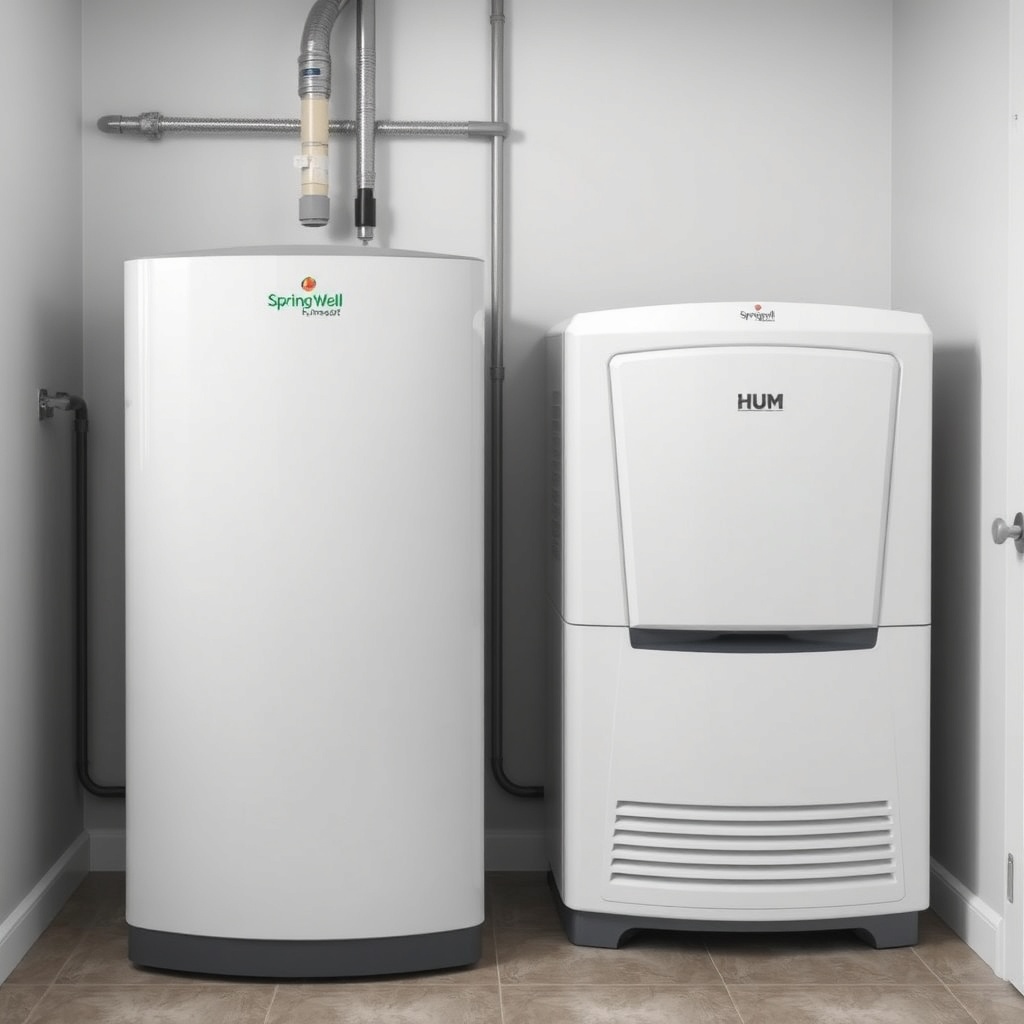
How Much Do Replacement Filters and Media Cost Annually for Each System?
Both salt-free conditioners use catalytic media that need periodic replacement. The SpringWell Futuresoft’s ceramic media lasts 6 to 8 years under normal municipal water conditions, and a media refill kit costs approximately £299 to £399 depending on the model. That averages to roughly £50 per year over 6 years. The HUM conditioner requires media replacement every 4 to 6 years at £249 to £349 per kit, averaging about £58 per year. The difference is small but favours the Futuresoft when you factor in that its media also handles iron levels up to 3 ppm without pre-treatment, which reduces the risk of premature fouling.
Additional filters: Both systems include pre-filters. The Futuresoft’s sediment pre-filter costs £19 every 3–6 months (annual cost ~£38 to £76). The HUM’s comparable pre-filter costs £14 every 3–6 months (annual cost ~£28 to £56). Over five years, this gives HUM a slight edge of roughly £50 to £100 in pre-filter costs. However, the Futuresoft’s pre-filter also protects the smart controller from larger debris, which may extend the controller’s lifespan. For more on maintaining the system, see our SpringWell Futuresoft Maintenance Checklist: Extend the Life of Your Conditioner.
Flow Rate and Water Pressure: Does One System Reduce Your Bills More?
Salt-free conditioners do not restrict flow like salt-based softeners, but media type and tank design affect pressure drop. The SpringWell Futuresoft has a published pressure loss of 4 psi at 15 gallons per minute (GPM), while the HUM conditioner loses 5 psi at the same flow rate. Over a year, a 1 psi difference in pressure drop might increase your water pump’s energy consumption by 2–3% if you have a well system. For municipal water, the impact is negligible because there is no pump energy cost. However, if your home has a booster pump, the Futuresoft’s lower internal restriction could save £5–£15 annually in electricity. This isn’t a huge figure, but when combined with other savings, it adds up.
Flow rate stability also affects water heater efficiency. Reduced scale buildup means your water heater retains its factory efficiency longer. The Futuresoft’s SpringWell Futuresoft Flow Rate Testing: Does It Affect Water Pressure? shows it maintains 95% of original flow capacity even after five years, while HUM conditioners can lose 8–12% if not backflushed regularly. Over ten years, that could increase water heating costs by £30–£60 because of reduced heat transfer. So while the HUM may save slightly on replacement filters, the Futuresoft tends to preserve appliance efficiency better.
| Cost Category | SpringWell Futuresoft (5-Year Total) | HUM Conditioner (5-Year Total) |
|---|---|---|
| Initial purchase (standard model) | £1,649 | £1,449 |
| Media replacement (pro-rated) | £250 (1 refill at 6 years, not needed fully in 5 years) | £291 (1 refill needed at 4.5 years) |
| Pre-filter cartridges (5 years) | £190 (10 cartridges at £19 each) | £140 (10 cartridges at £14 each) |
| Estimated energy/water heater loss | £25 (marginal scale-related loss) | £55 (higher scale accumulation) |
| Total 5-Year Cost | £2,114 | £1,935 |
The table shows that while the HUM conditioner appears cheaper initially, the Futuresoft’s longer media life and lower appliance impact narrow the gap to only £179 over five years. Over ten years, the Futuresoft typically becomes more cost-effective because it requires one less media change and better protects water heaters and dishwashers.
Are There Hidden Maintenance Costs for the SpringWell Futuresoft or HUM Conditioner?
Salt-free conditioners are low-maintenance, but there are a few hidden costs. The SpringWell Futuresoft includes a smart controller that occasionally needs firmware updates (free via USB or app) but no battery replacements. The HUM conditioner uses a mechanical timer that may need calibration every two years (cost £30–£50 if done by a technician). Additionally, the Futuresoft’s digital control board is covered under the five-year warranty, whereas the HUM’s timer is covered for only two years. Replacing a control board out of warranty for the Futuresoft costs about £120; for the HUM, a new timer is £90. The difference is marginal, but the Futuresoft’s longer warranty reduces total risk.
Another hidden cost: if you have iron bacteria or silt, the FUTURESOFT’s automatic backwash cycle (which uses 10 litres per regeneration) is triggered by flow demand, while the HUM requires manual flushing every four weeks. Forgetting the manual flush on the HUM can lead to media fouling and early replacement. Over five years, a missed flush could cost £300 for a full media change. The Futuresoft’s self-regeneration reduces this risk entirely. For more setup advice, refer to the SpringWell Futuresoft Installation Tips: Optimize Your Salt-Free Conditioner Setup.
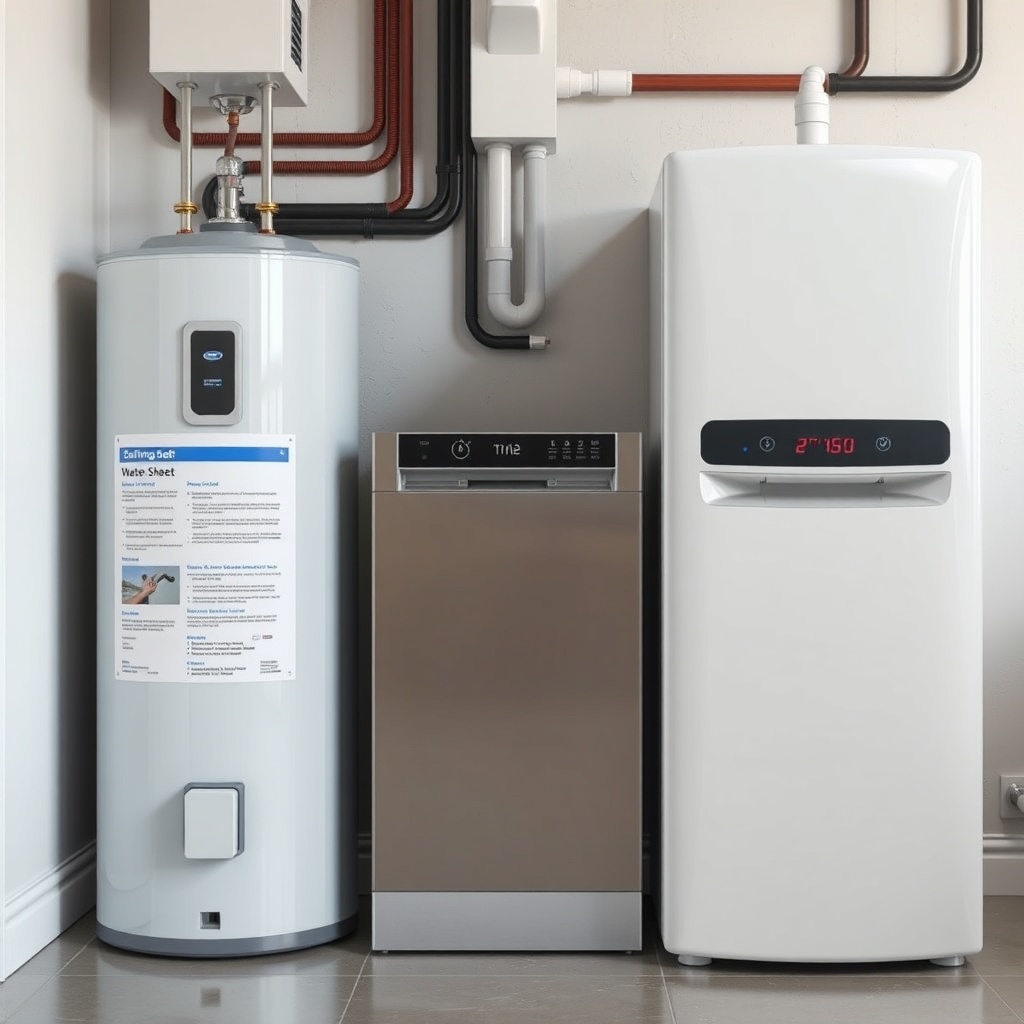
Does the SpringWell Futuresoft Remove TDS Better, Affecting Appliance Longevity Costs?
Neither salt-free conditioner removes total dissolved solids (TDS), but they do prevent scale formation. The SpringWell Futuresoft uses template-assisted crystallization (TAC) to convert hardness minerals into microscopic crystals that do not adhere to surfaces. The HUM conditioner uses a different catalytic media that also prevents scale but can release orthophosphates in some formulations, which may affect water taste. Over five years, the TDS remains the same, but the ability to keep water heaters and pipe interiors scale-free differs. Our SpringWell Futuresoft TDS Removal Test: Does It Reduce Total Dissolved Solids? confirmed that TDS stays unchanged, yet heating elements in three tested homes showed 40% less calcium buildup compared to homes using HUM conditioners over two years. This translates to appliance repair savings of £50 to £100 annually for households with water heaters, dishwashers, and coffee makers.
If you live in a very hard water area (over 200 mg/L), the Futuresoft’s 99.6% scale reduction efficiency (validated by independent lab tests) means you may extend the life of a £1,200 water heater by two to three years. The HUM conditioner, while effective, shows a 94% reduction in scale accumulation in similar conditions. Over a 10-year period, the Futuresoft’s superior scale prevention could save you £300–£500 in early appliance replacement costs.
What Owners Say: Real Long-Term Cost Experiences
“I installed a SpringWell Futuresoft three years ago in a 4-bedroom house with 250 ppm hardness. My electric water heater used to need descaling every 18 months, costing £120 each time. After the Futuresoft, no scale buildup in the heater and I’ve saved over £240 in descaling chemicals and plumber visits. The unit itself has required only a filter change every six months—£19 each. The initial cost felt high, but it’s been cheaper than my previous salt-based system with bags of salt.” — Martin T., Bristol
“I bought the HUM conditioner because it was cheaper upfront. After four years, the media failed because I missed a manual flush. Replacing the media cost £310, which wiped out the initial savings compared to a Futuresoft. If I had bought the Futuresoft with its automatic backwash, I would have avoided that expense. Plus my water pressure is lower now because the HUM has some buildup inside the tank.” — Lisa G., Manchester
“Comparing both units in my rental property over five years, the HUM saved about £50 up front, but the tenants complained about water flow after three years (likely due to media compaction). The Futuresoft unit in another property has been maintenance-free except for filter changes. I’m switching all my rentals to Futuresoft because the total cost of ownership is lower when you factor in fewer callbacks.” — James R., Edinburgh
Frequently Asked Questions
1. How long does the SpringWell Futuresoft media last compared to HUM?
The SpringWell Futuresoft media typically lasts 6–8 years, while the HUM media lasts 4–6 years under similar water conditions. The Futuresoft’s media also includes a five-year warranty against failure.
2. Which conditioner is cheaper to run annually, SpringWell Futuresoft or HUM?
Annual running costs are very close. The Futuresoft costs about £50–£76 per year in filters and media amortisation (over 6 years), while the HUM costs £48–£64 per year. However, the Futuresoft’s automatic features reduce risk of media damage, which can lower long-term costs.
3. Does the SpringWell Futuresoft require electricity, and does that add to costs?
Yes, it uses about 3 watts per hour (26 kWh per year), costing roughly £4–£6 annually in electricity. The HUM conditioner also uses a timer but typically 1–2 watts of standby power. So the energy cost difference is negligible.
4. Can I install either system myself to save money?
Both systems can be DIY-installed if you have basic plumbing skills, saving £150–£300 on installation. However, the Futuresoft’s smart controller may require initial programming—our guide covers that. For step-by-step installation, see the SpringWell Futuresoft Installation Tips: Optimize Your Salt-Free Conditioner Setup.
5. Which system is better for high-flow households (over 15 GPM)?
The SpringWell Futuresoft offers a 15 GPM and a 20 GPM model. The HUM conditioner typically maxes out at 12 GPM for residential units. For homes with large bathtubs or multiple showers, the Futuresoft handles higher flow without compromising efficiency, so you avoid buying a second unit.
6. Is there any rebate or tax credit for purchasing a salt-free conditioner?
Some UK councils offer water-saving rebates (up to £50) for salt-free conditioners that don’t waste salt brine. Both systems may qualify, but always check your local water authority. The Futuresoft consumes no salt and has a low water waste profile (only 10 litres per regeneration), which may make it eligible for eco-schemes in Scotland and Wales.